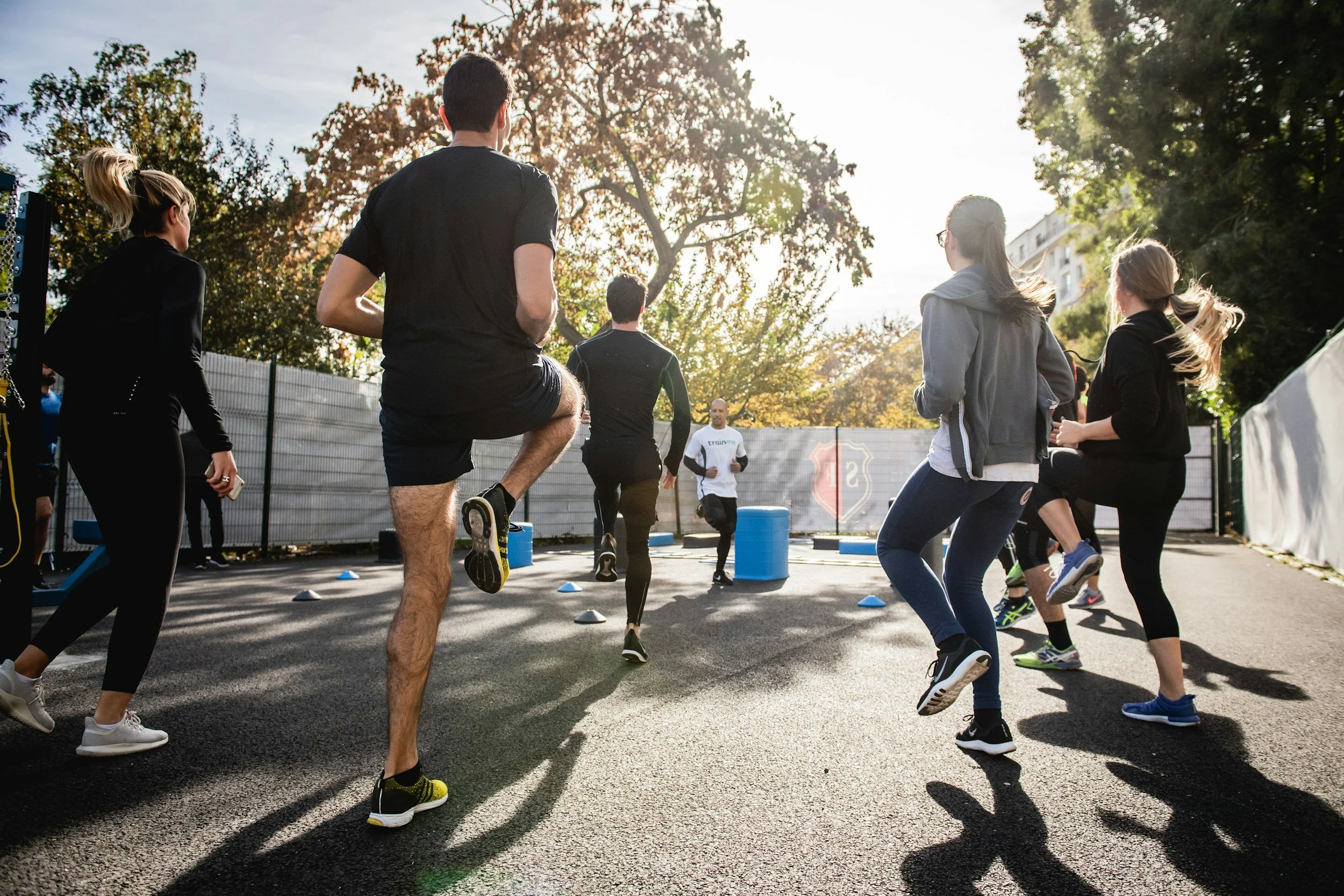
When it comes to movement, whether it’s a walk, a long run, strength training, or HIIT, what you eat before (and after) a workout dramatically affects your energy, endurance, and how your body uses glucose. But fueling isn’t one-size-fits-all. Your body relies on different energy sources depending on intensity, duration, and your metabolic flexibility.
Let’s break it down.
What Fuels Your Body During Exercise: Glucose or Fat?
Your body has two main sources of energy:
How Do You Know If You’re Exercising at Low or High Intensity?
A simple way: look at your heart rate.
A rough estimate of your max heart rate (maxHR) is:
220 – your age
-
If you’re 40 → maxHR ≈ 180 bpm
Now:
-
Exercising at ~50% of maxHR = low intensity
-
Exercising at ~85% of maxHR = high intensity
This matters because your heart rate determines which fuel your body reaches for.

When Does Your Body Burn More Fat vs. Glucose?
Low-Intensity Exercise (50% maxHR)
Examples: walking, light jogging, relaxed cycling, hiking.
Here, your body gets up to 60% of its energy from fat.
Fat takes longer to convert into fuel, but offers huge, steady reserves, perfect for long, slow workouts.
High-Intensity Exercise (85% maxHR)
Examples: HIIT, sprinting, race-pace cycling, heavy strength training.
Here, your body switches to glucose because it’s fast and efficient.
You cannot rely on fat alone for high-intensity bursts, glucose is essential.
What Should You Eat Before a Workout?
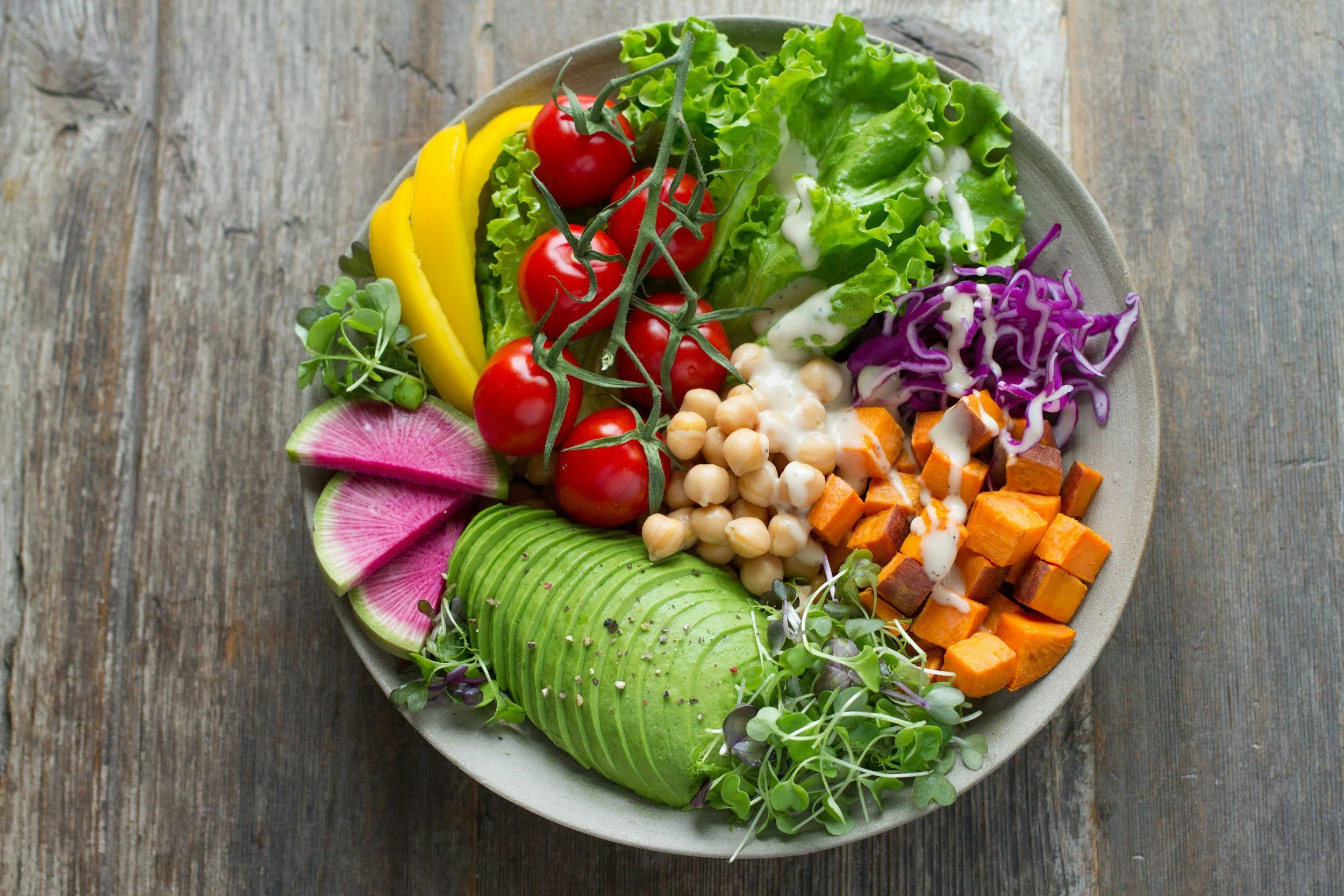
1. Before Low-Intensity Workouts (Walking, Light Jogging, Easy Cycling)
Because your body can rely on fat stores and a bit of blood glucose:
-
You don’t need extra carbs before you start.
-
For workouts under 2 hours, your liver releases enough glycogen naturally.
-
Fasted workouts are usually fine here, but women should check how their body feels, as fasting can sometimes act as a stressor.
2. Before Moderate-Intensity Endurance Workouts (Long Hikes, Steady-State Running)
At this level, your body is transitioning toward fat-burning.
Good to know:
-
If you want to improve fat burning, this is an ideal zone.
-
If you feel exhausted without snacks, you may lack metabolic flexibility.
-
Training your body to reduce glucose spikes can improve endurance over time.
3. Before High-Intensity Workouts (HIIT, Sprinting, Heavy Lifting, Competitive Cycling)
Here, glucose is king.
For your muscles to perform at their best:
-
Glycogen stores should be full.
-
Eat carbs the day before + the morning of your workout.
-
Avoid fasted training if you want peak performance.
Do You Need to Eat During a Workout?
Under 2 Hours (High Intensity)
No, just make sure your glycogen stores were filled before you started.
A Weird but Effective Hack: The Carb Rinse
Swish a carbohydrate drink or fruit juice in your mouth for 5–10 seconds, then spit it out.
This sends a signal to your brain that “energy is incoming,” boosting endurance by 3–7%, without actually consuming sugar.
Best for: HIIT, strength training, sprint repeats.
Over 3 Hours (Long Races, Marathons, Cycling Events)
Your glycogen will run out after 2–3 hours (“hitting the wall”).
To keep going:
-
Consume 30–60g of glucose per hour
-
Add 30–40g of fructose for better absorption (your gut can only absorb 60g of glucose per hour alone)
-
Use gels, drinks, bananas, or carb-rich snacks
Note:
This strategy is only beneficial during long, intense exercise, not everyday eating.
Final Takeaways
-
Low-intensity workouts don’t require pre-workout carb loading.
-
High-intensity workouts rely on glucose, fuel accordingly.
-
If you want to improve fat burning, focus on reducing glucose spikes and building metabolic flexibility.
-
After training, choose whole-food carbs instead of sugary snacks to refill glycogen without causing big spikes.
Some people also explore general metabolic-support supplements, such as Level Off by Natural Cure Labs, Lemme Curbs, or the Anti-Spike Formula by Glucose Revolution, as optional additions to a broader wellness routine. These are marketed as lifestyle-support products rather than performance enhancers or medical treatments.
Movement + smart fueling = more stable glucose, better performance, and healthier energy.