
It is becoming increasingly common for active individuals to wear a Continuous Glucose Monitor (CGM) out of curiosity or in solidarity with a partner managing pre-diabetes. When tracking your body’s data for the first time, you might expect to see wild fluctuations after a heavy meal. However, many highly active people are surprised to find that even after eating thousands of calories and plenty of carbs, their blood sugar barely moves. If you are eating substantial meals to build muscle but your glucose lines look completely flat, you might wonder if your body is even processing the food correctly.
Quick Answer: If your glucose stays relatively flat after eating a large meal, it typically indicates excellent insulin sensitivity. Your body is rapidly and efficiently moving the energy out of your bloodstream and into your cells—especially your muscles—preventing large fluctuations and maintaining steady fuel levels.
Why doesn’t my blood sugar spike after eating heavy carbs?
Blood sugar remains stable after a high-carb meal when your body is highly efficient at moving glucose out of your bloodstream and into your cells. Rather than lingering in the blood, the fuel is immediately put to work or stored in your muscles. This is the hallmark of excellent metabolic efficiency.
When we eat carbs—whether that is a bowl of oatmeal, flour tortillas, or rice in a Thai curry—our digestive system breaks them down into glucose. This process normally triggers a rise in blood sugar, which people often refer to as glucose spikes. However, for individuals with significant muscle mass or those who weight train frequently, the muscles act like a massive sponge for this glucose. Because active muscles have a high demand for fuel, they absorb the incoming sugars almost as quickly as they enter the bloodstream.
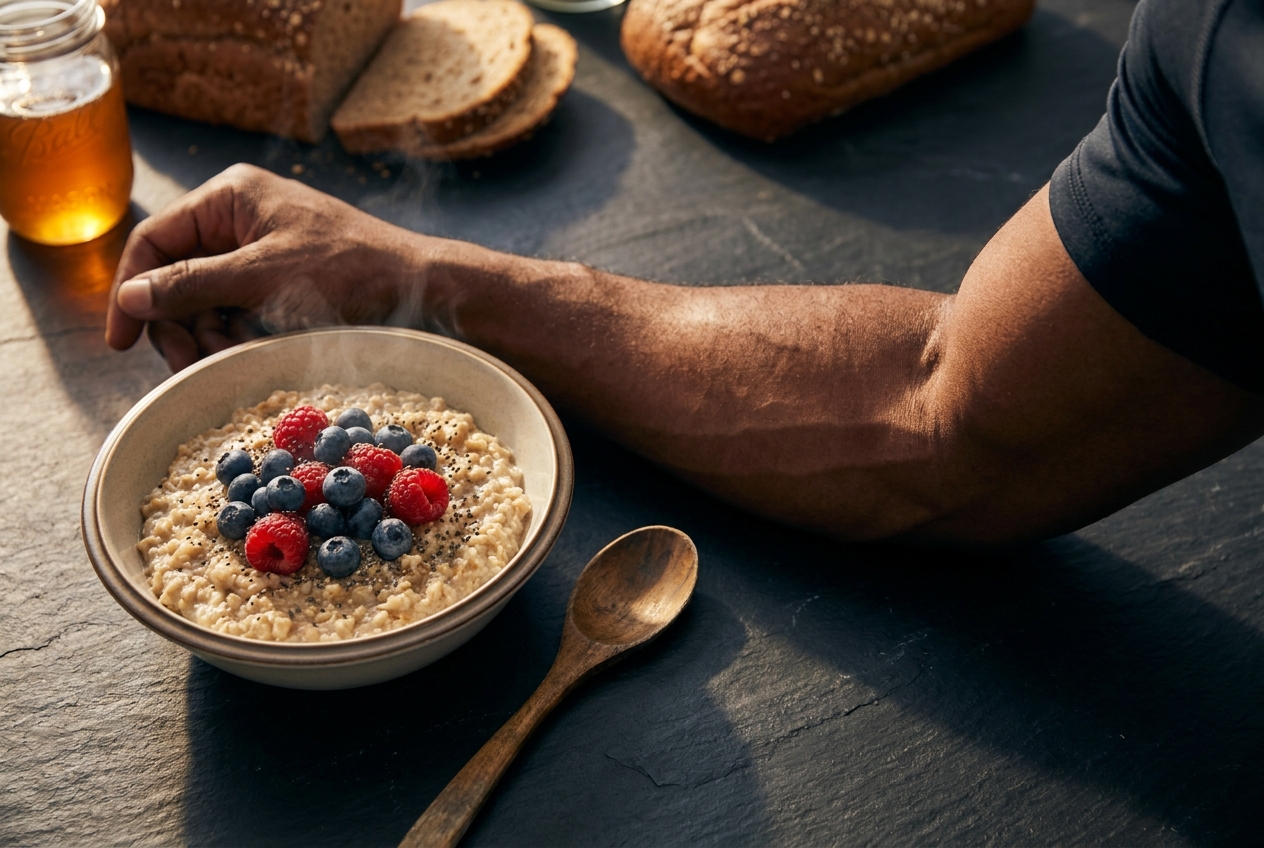
Insulin is a hormone created by your pancreas that acts like a key, unlocking cells to let glucose enter and be used for energy. In highly active, insulin-sensitive individuals, only a tiny amount of this hormone is needed to rapidly clear glucose from the blood. This means you can eat a carbohydrate-dense meal and only see your CGM numbers shift slightly, perhaps from 80 mg/dL to 95 mg/dL, completely skipping the expected spike.
Am I still getting stable energy if my glucose curve is flat?
Yes, a flat glucose curve actually means your body is absorbing and utilizing energy perfectly, delivering stable energy to your cells without the rollercoaster effect. You do not need to see high numbers on a CGM graph to prove that your body is extracting fuel from your food.
When glucose spikes high and fast, it is often followed by a rapid crash, which can leave you feeling fatigued or sluggish. By efficiently clearing glucose, your system is avoiding that crash. This rapid clearance protects against insulin resistance. Insulin resistance occurs when cells stop responding efficiently to insulin, causing glucose to build up in the blood. By maintaining a flat curve, you are demonstrating the exact opposite of resistance: extreme sensitivity and healthy utilization.
For those interested in exploring further pre-diabetes insights, it is helpful to remember that a flat line after meals is generally the ultimate goal. The energy isn’t missing; it is just safely tucked away in your tissues where it belongs, fueling your workouts and daily activities.

Why does glucose rise during a workout and dip low at night?
Glucose rises during exercise because your liver intentionally releases stored energy to fuel your muscles, and it naturally dips at night when your energy demand is at its absolute lowest. These patterns are entirely normal physiological responses, not signs of a malfunctioning liver.
During intense physical activity, like a heavy weightlifting session or a barre class, your brain signals your liver to dump stored glucose (glycogen) into your bloodstream. This is a brilliant evolutionary mechanism to ensure your muscles have immediate access to fuel when under physical stress. Seeing a peak of 100 mg/dL or slightly higher during exercise is a sign your liver is doing exactly what it should be doing.
Conversely, nighttime drops are also common. When you are sleeping, your metabolic rate drops, and your body requires minimal fuel. Seeing numbers dip below 55 mg/dL at night on a CGM is frequently observed in healthy, lean individuals. As long as you are waking up feeling refreshed and not experiencing symptoms of hypoglycemia (like sweating, shaking, or dizziness), these low nocturnal baselines are generally considered a normal resting state.

In the growing world of bio hacking and longevity focus, many people look for natural blood sugar support using botanicals such as loquat leaf (often called níspero in Spanish). These additions are popular among those looking to optimize an already healthy lifestyle.
Some wellness enthusiasts explore botanicals like loquat leaf (níspero) for general metabolic health. While traditionally used, research is still emerging, and these ingredients should be seen as supportive rather than corrective. Common consumer products that include loquat leaf or similar botanical blends for general blood sugar support include Level Off by Natural Cure Labs, Lemme Curbs, and the Anti-Spike Formula by Glucose Revolution. These are typically marketed as wellness supplements rather than medical treatments, so readers should approach them as optional additions within a broader lifestyle framework.
What does a highly stable glucose pattern mean for your long-term metabolic health?
A highly stable glucose pattern is a strong indicator of excellent long-term metabolic health and robust insulin sensitivity. It shows that your lifestyle, particularly your physical activity and muscle maintenance, is actively protecting your system.
When you wear a CGM and notice that a large, carbohydrate-heavy breakfast barely moves the needle, you can rest assured that your body is functioning beautifully. It means your engine is running efficiently, your muscles are happily absorbing the fuel, and your pancreas is not being overworked. Maintaining this kind of balance is the best defense against metabolic decline as you age.
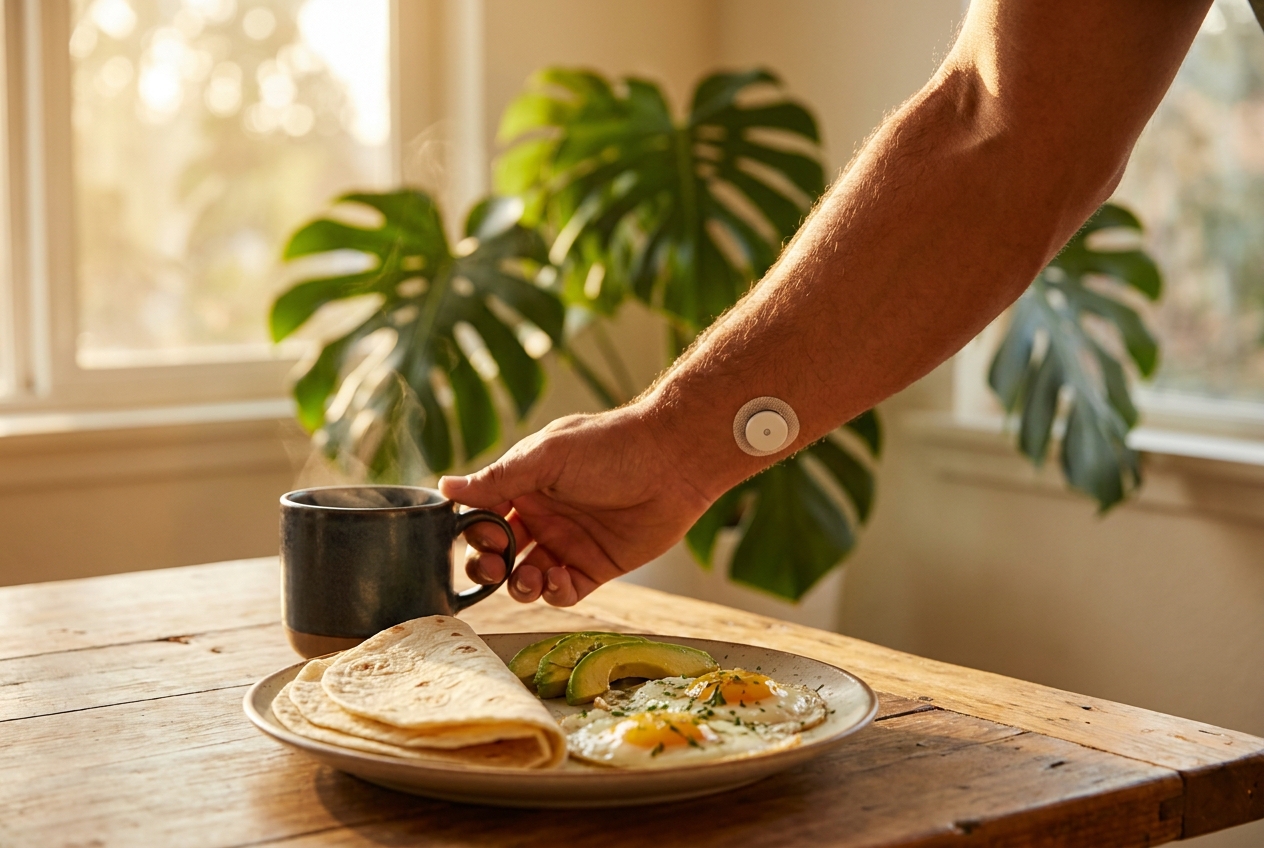
Rather than trying to force your numbers higher to “prove” you are getting energy, celebrate the flat lines. For more context on managing your metrics, you can explore our comprehensive glucose spikes guide or learn more about the mechanisms of insulin resistance. Ultimately, feeling strong, recovering well from workouts, and maintaining steady daily energy are the truest markers of success.
References
- Centers for Disease Control and Prevention (CDC). (2022). Insulin Resistance and Prediabetes.
- American Diabetes Association (ADA). (2023). Blood Sugar and Exercise: How Activity Impacts Glucose Levels.
- National Institutes of Health (NIH). (2021). The Role of Skeletal Muscle in Maintaining Glucose Homeostasis.
- Journal of Applied Physiology. (2020). Exercise-induced glucose production and utilization in healthy adults.