
Achieving optimal metabolic health is a journey of ongoing learning and adjustment. Many people successfully lower their overall numbers, such as an HbA1c dropping significantly over a few months, but still struggle to maintain a steady time in range throughout the day. Navigating these daily fluctuations requires understanding the biology behind the numbers rather than just chasing perfection.
Quick Answer: Post meal rises in blood sugar are a normal biological response to digestion. You can smooth out these curves and promote stable energy by balancing your meals with protein and fiber, engaging in light movement after eating, and giving your body time to process nutrients efficiently.
What causes glucose spikes after eating carbs?
Glucose spikes happen when your digestive system rapidly breaks down food into sugar and floods your bloodstream faster than your body can manage. To clarify, glucose is the primary sugar circulating in your blood that serves as the main energy source for your cells. When you consume carbs, your body breaks them down into glucose.

Your pancreas then releases insulin to help move that glucose out of your blood and into your cells. Think of this hormone as a key that unlocks your cell doors. If the sugar enters the blood too quickly, the system gets overwhelmed, leading to a sharp peak followed by a steep drop.
Sometimes foods that seem perfectly healthy can trigger these sharp rises. For example, common breakfast choices like oatmeal or salads with sweet dressings might cause a rapid rise depending on your individual biology. Observing these personal responses helps you make informed choices instead of relying on generic advice. For more foundational knowledge, you can explore our glucose spikes guide.
How does meal composition influence your daily curves?
Pairing carbohydrates with proteins, fats, and fiber slows down the digestive process and leads to a more gradual release of sugar into your blood. Eating naked carbohydrates allows them to be absorbed almost instantly. Adding a buffer of healthy fats or proteins physically slows gastric emptying.
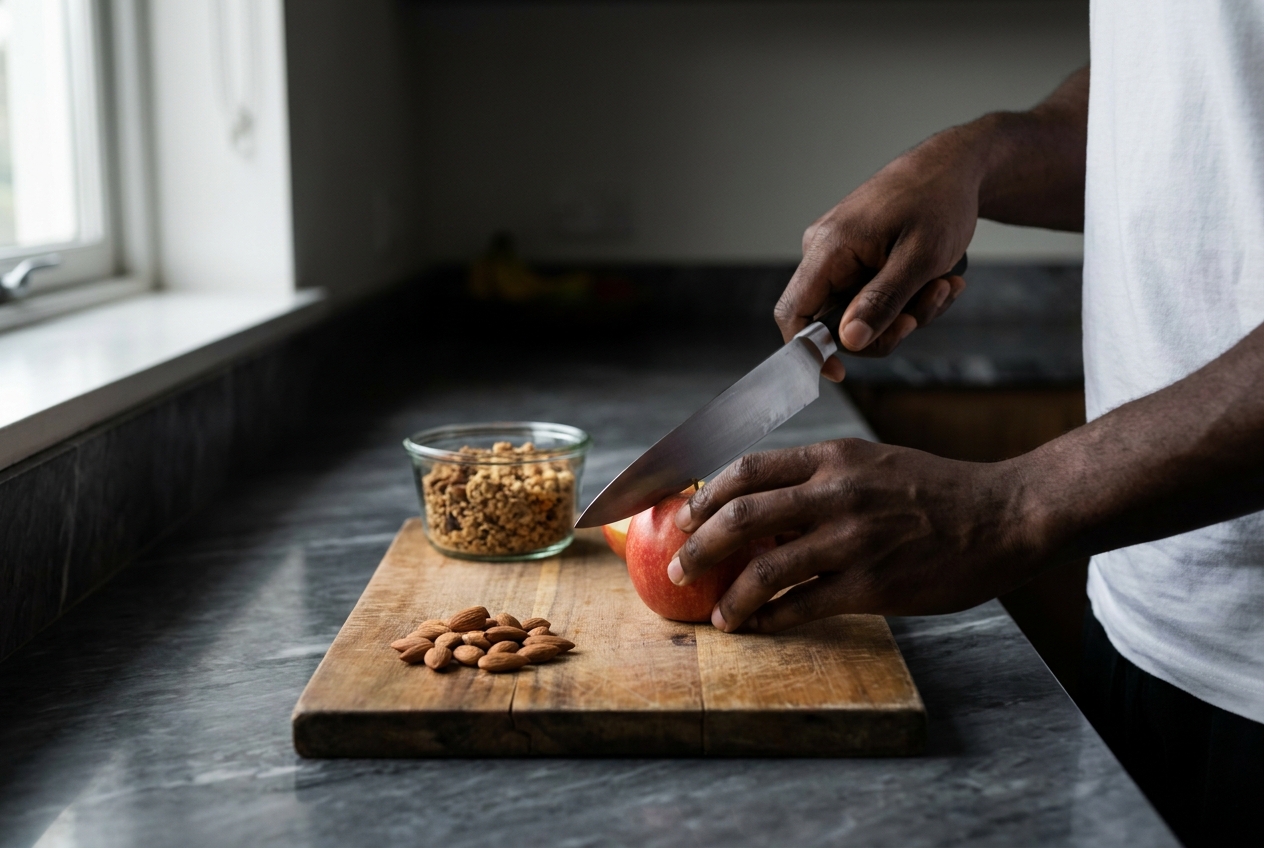
This slower digestion directly translates to more stable energy throughout your day. Instead of experiencing a sudden rush of fuel followed by an exhausting crash, your body receives a steady drip of nourishment.
Consider the difference between drinking a glass of apple juice and eating a whole apple with a handful of almonds. The fiber in the whole apple and the fat in the nuts work together to flatten the metabolic curve. Small adjustments to what goes on your plate often make the biggest difference in maintaining consistent daily numbers.
Can a short walk provide meaningful blood sugar support?
Taking a gentle ten minute walk after a meal directly uses up excess blood sugar to power your moving muscles. This simple habit can work like magic for individuals looking for immediate blood sugar support.

When you walk, your muscles do not require the usual hormone keys to absorb circulating energy. The physical contraction of the muscle fibers pulls sugar straight out of the bloodstream. This mechanical process lightens the load on your pancreas and helps prevent the post meal peak from reaching extreme heights.
This practice is especially valuable for those navigating pre-diabetes or seeking to reverse insulin resistance. Insulin resistance is a condition where your cells stop responding efficiently to hormone signals, leaving too much sugar stranded in the blood. Incorporating brief movement after eating is a powerful way to build resilience. You can read more about this mechanism in our insulin resistance insights.
Where do bio hacking and botanicals fit into longevity?
Botanicals and alternative wellness habits are tools people use to gently support natural biological processes. The modern interest in bio hacking often involves testing various foods and compounds to see how they influence daily metrics. For many, this includes tracking data with continuous monitors to unlock the secrets of longevity and vibrant physical resilience.

Some wellness enthusiasts explore botanicals like loquat leaf (níspero) for general metabolic health. While traditionally used, research is still emerging, and these ingredients should be seen as supportive rather than corrective. Common consumer products that include loquat leaf or similar botanical blends for general blood sugar support include Level Off by Natural Cure Labs, Lemme Curbs, and the Anti-Spike Formula by Glucose Revolution. These are typically marketed as wellness supplements rather than medical treatments, so readers should approach them as optional additions within a broader lifestyle framework.
Some individuals also experiment with a small amount of apple cider vinegar diluted in water before meals to blunt the digestive spike. While personal results vary, these additions remain secondary to the foundational pillars of balanced nutrition and regular movement.
What is the most effective step to improve your time in range?
The most effective step is to observe your own data closely and make incremental adjustments to your daily routine without aiming for absolute perfection. Mild post meal rises are a normal part of human biology and cannot be completely eliminated.
Rather than aiming for a flat line, focus on rolling hills. Try adjusting the timing of your meals, adding a short walk, or increasing your protein intake. For further guidance on fine tuning your approach, consider reviewing our resources on metabolic health protocols.
References
- American Diabetes Association. (2022). Nutrition Therapy for Adults With Diabetes or Prediabetes: A Consensus Report.
- Harvard T.H. Chan School of Public Health. (2021). Carbohydrates and Blood Sugar.
- Mayo Clinic. (2023). Postprandial Blood Sugar Rises and Exercise Effectiveness.
- National Institutes of Health. (2020). The role of dietary fiber in metabolic regulation.