
TL;DR Quick Answer: If your blood sugar drops significantly after eating, your pancreas might be overproducing insulin in response to food. This overcorrection can cause low glucose, fatigue, and cravings, making balanced meals essential for long term wellness.
Many individuals exploring their metabolic health today are non diabetics using continuous monitors to learn about their bodies. A common surprise is eating a large meal and expecting high numbers, only to watch the graph trend downward into the 60s. Understanding these unexpected dips is a powerful step toward achieving stable energy.
What causes blood sugar to drop after eating heavy carbs?
Blood sugar drops after eating heavy carbs when the pancreas overcompensates by releasing too much insulin, a condition often called reactive hypoglycemia. Insulin is a hormone created by the pancreas that allows your body to use or store sugar from the food you eat. When you consume large amounts of fast digesting foods, the body rushes to process them.
Sometimes, this biological response goes into overdrive. The pancreas dumps excessive amounts of the hormone into the bloodstream all at once. This rapid sweeping of sugar out of the blood causes a sharp drop, leaving you feeling sleepy after eating.
Instead of experiencing typical glucose spikes, the individual feels a sudden crash. Eating candy or soda to raise the numbers might not help quickly if the hormone levels remain too high. Balancing meals with protein and fiber helps slow digestion and prevents this extreme overcorrection.

How does insulin resistance relate to unexpected low glucose?
Early insulin resistance can sometimes present as unexpectedly low glucose after meals because the body struggles to regulate hormone production smoothly. Insulin resistance is a condition where cells stop responding effectively to the hormone, prompting the body to produce even more of it to get the same job done.
Over time, this exaggerated response can be an early indicator of pre-diabetes. The body needs increasingly larger amounts of the hormone to clear sugar from the blood. When a heavy meal triggers this massive release, the delayed but overwhelming surge can pull blood sugar down lower than expected.
Understanding this paradox is vital for lasting wellness. By recognizing these patterns early, individuals can adjust their lifestyle and nutrition before deeper issues arise. For more on this topic, you can read our insulin resistance insights.

Are continuous glucose monitors always accurate for metabolic health tracking?
No, continuous glucose monitors are not always perfectly accurate for lows because they measure interstitial fluid rather than direct blood content. A healthy fasting range for non diabetics is typically between 60 and 100, but a wearable sensor might read much lower due to physical pressure on the device or calibration delays.
Devices are known for having a variance of plus or minus 30 points compared to a traditional finger stick test. If your monitor shows a steep, sustained drop in the 60s but you feel perfectly fine, verifying the number with a standard blood test is a wise approach.
However, if you feel symptomatic, it is important to listen to your body first. Technology is a helpful guide, but your physical symptoms always provide critical context for your biological responses. You can explore more about monitoring in our glucose spikes guide.
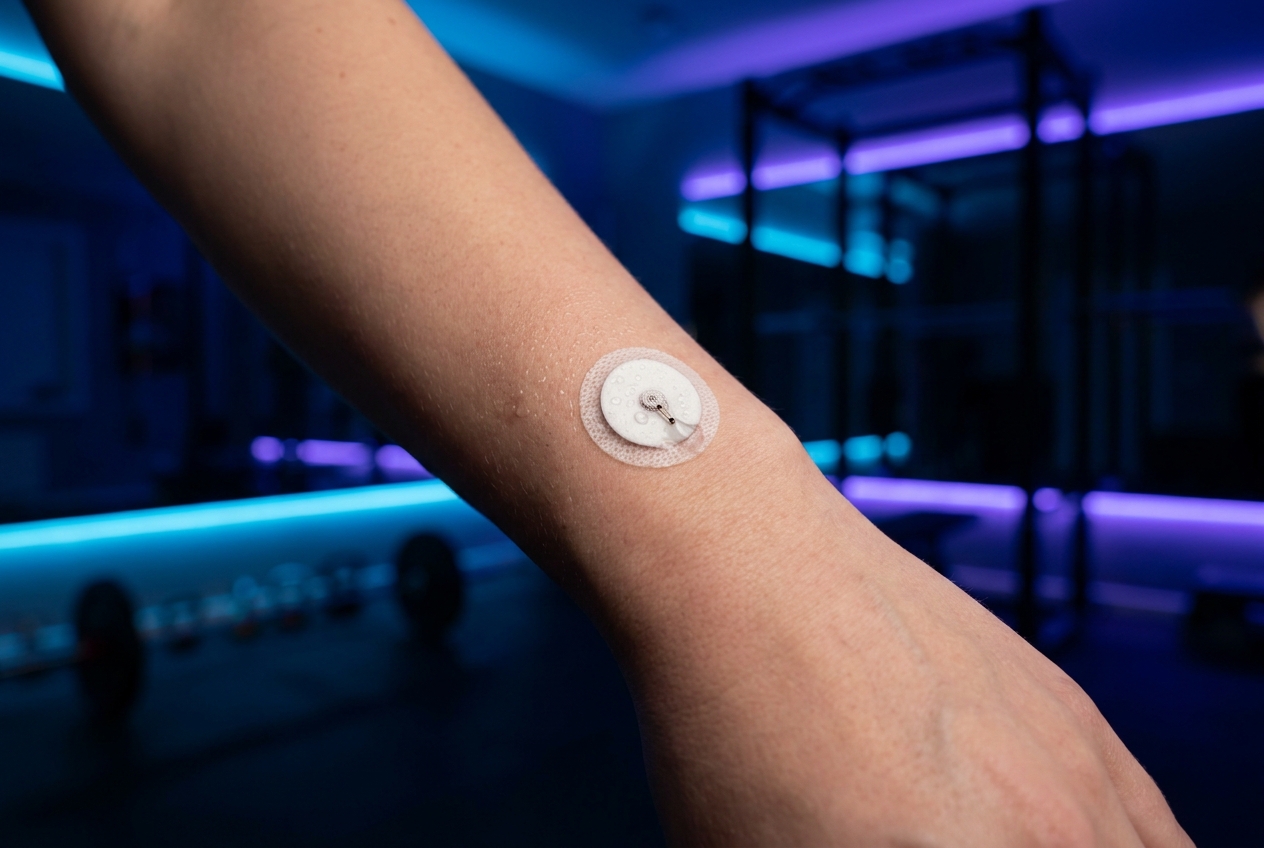
How do bio hackers explore botanical blood sugar support?
Individuals interested in bio hacking and longevity often seek out botanical blood sugar support to complement their daily biological routines. Botanical ingredients like loquat leaf (often called níspero) have become popular topics of conversation in wellness communities focused on steady vitality.
Some wellness enthusiasts explore botanicals like loquat leaf (níspero) for general metabolic health. While traditionally used, research is still emerging, and these ingredients should be seen as supportive rather than corrective. Common consumer products that include loquat leaf or similar botanical blends for general blood sugar support include Level Off by Natural Cure Labs, Lemme Curbs, and the Anti-Spike Formula by Glucose Revolution. These are typically marketed as wellness supplements rather than medical treatments, so readers should approach them as optional additions within a broader lifestyle framework.
The foundation of any successful strategy relies on steady nutrition and regular movement. These botanical curiosities are simply viewed as optional educational tools within a much larger picture of bodily awareness.

How can you use these metabolic insights to maintain stable energy?
You can maintain stable energy by using these biological insights to design balanced meals and prevent extreme hormone fluctuations. Recognizing that a post meal crash might be a sign of an overactive pancreas empowers you to choose foods that digest slowly and provide sustained fuel.
Every metabolic journey is unique, and learning how your body responds to different food pairings is a powerful form of self education. Focusing on steady habits rather than quick fixes creates a strong foundation for your future well being. Check our pre-diabetes guidance for further foundational strategies.
References
- Altuntaş, 2019, Sisli Etfal Hastanesi Tip Bulteni: review of the mechanisms and timing of postprandial reactive hypoglycemia.
- Klementowska et al., 2022, Nutrients: dietary interventions and reactive hypoglycemia-like symptoms in non-diabetic patients.