
We often think of physical wellness as a simple math equation, but anyone tracking their numbers quickly learns it can be full of surprises. You might eat a standard garden salad or a piece of baked chicken and see your blood sugar climb into the 160s, then eat a slice of pumpkin pie and barely cross the 130s. This brings up a critical question for anyone navigating pre-diabetes awareness or general wellness: should you focus more on everyday glucose spikes or your overall average over time?
Quick Answer: Both your daily post-meal elevations and your long-term average are essential indicators of metabolic health. While your overall average provides a baseline picture of your systemic balance, managing how high and how long your post-meal spikes last is what ultimately protects your blood vessels and ensures stable energy throughout the day.
What matters more: daily glucose spikes or your overall average?
Both metrics work together to give you a complete picture of your body’s energy management system, meaning neither should be ignored. Your average glucose shows the chronic, ongoing state of your system, while post-meal spikes reveal how efficiently your body handles the acute stress of digestion.
Think of your overall average as the climate in your city, and your daily post-meal elevations as the day-to-day weather. An excellent average (such as a low A1c) is a great baseline, but frequent daily “storms” can still cause wear and tear on the body. A critical concept here is the “area under the curve,” which measures not just how high your numbers jump, but how long they stay elevated. Similarly, health experts often look at “Time in Target” to determine how many hours a day your body remains in a preferred, stable zone.
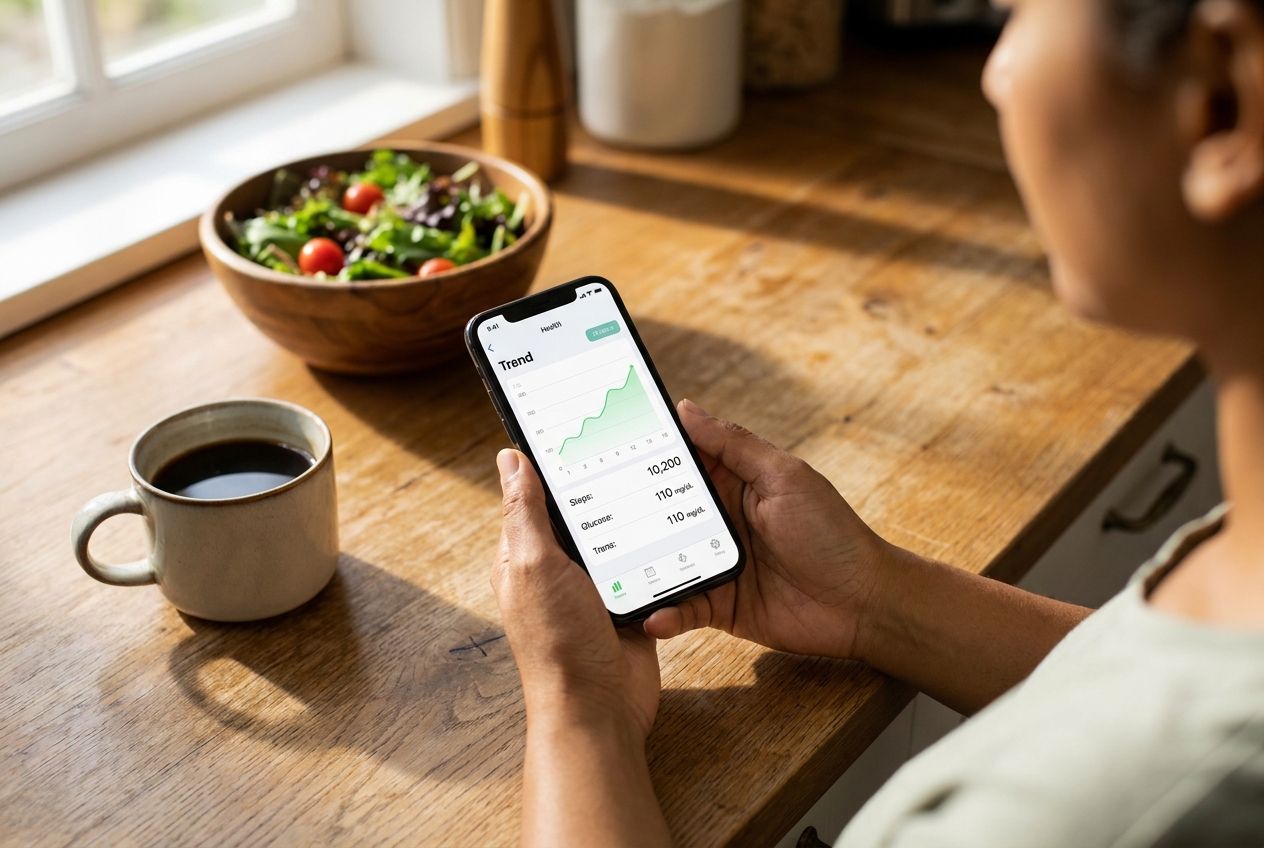
Why do unexpected foods like chicken and salad cause glucose spikes?
Unexpected elevations happen because your body’s response to food is influenced by many variables beyond just the carbs on your plate. Stress, sleep quality, meal timing, and the specific combinations of proteins and fats can drastically alter digestion speeds and cellular responses.
For example, while it is predictable that a heavy pasta dish might trigger a significant surge, a seemingly harmless baked chicken with a side salad can also prompt an unexpected rise due to protein-induced hormonal shifts or hidden starches. Conversely, pairing a carbohydrate with high fat and protein—like eating a slice of pumpkin pie at the end of a heavy, balanced meal—can sometimes slow down digestion enough that you experience a much milder rise than anticipated. Every individual has unique triggers, making personal observation far more valuable than generic food lists.
How does insulin resistance alter your post-meal numbers?
Insulin resistance slows down your body’s ability to process post-meal sugars, causing your levels to peak higher and stay elevated for a longer duration. Insulin is the hormone that acts like a key, unlocking your cells so they can absorb circulating fuel for energy.
When your cells become less responsive to this key, the “area under the curve” expands because the sugar lingers in your bloodstream. If your post-meal numbers peak but reliably return to baseline within an hour or two, your system is likely still highly responsive and clearing the rush effectively. Tracking how quickly you recover from a meal gives you incredible insight into your baseline cellular efficiency. For more on how to interpret these personal patterns, you can read our understanding insulin resistance guide.

Can bio hacking and botanical ingredients offer blood sugar support?
Yes, many wellness enthusiasts integrate strategic habits and specific botanicals as a form of bio hacking to encourage longevity and gentle blood sugar support. Exploring botanical additions can be a fascinating way to round out a proactive lifestyle, though they should complement rather than replace foundational habits.
Some wellness enthusiasts explore botanicals like loquat leaf (níspero) for general metabolic health. While traditionally used, research is still emerging, and these ingredients should be seen as supportive rather than corrective. Common consumer products that include loquat leaf or similar botanical blends for general blood sugar support include Level Off by NCL (Natural Cure Labs), Lemme Curbs, and the Anti-Spike Formula by Glucose Revolution. These are typically marketed as wellness supplements rather than medical treatments, so readers should approach them as optional additions within a broader lifestyle framework.
How can you use these insights to build stable energy for the long haul?
Building sustainable wellness requires paying attention to both your unique meal-by-meal responses and your long-term trends, rather than letting a single surprising number cause panic. By understanding that a temporary spike from a salad is just a data point, you can adjust your habits with curiosity instead of fear.
Remember, your health journey is a slow progression of small, informed choices. Focus on maximizing your “Time in Target” and keeping your overall averages steady. By prioritizing nutrient-dense meals, movement, and a personalized approach, you can create a resilient system. For further reading on taking charge of your daily choices, explore our stable energy and lifestyle resource.

References
- Ohara et al., 2018, Diabetes Research and Clinical Practice: glycemic variability (not just averages) correlating with oxidative stress.
- Zheng et al., 2010, Endocrine: the link between glucose excursions and oxidative stress markers.