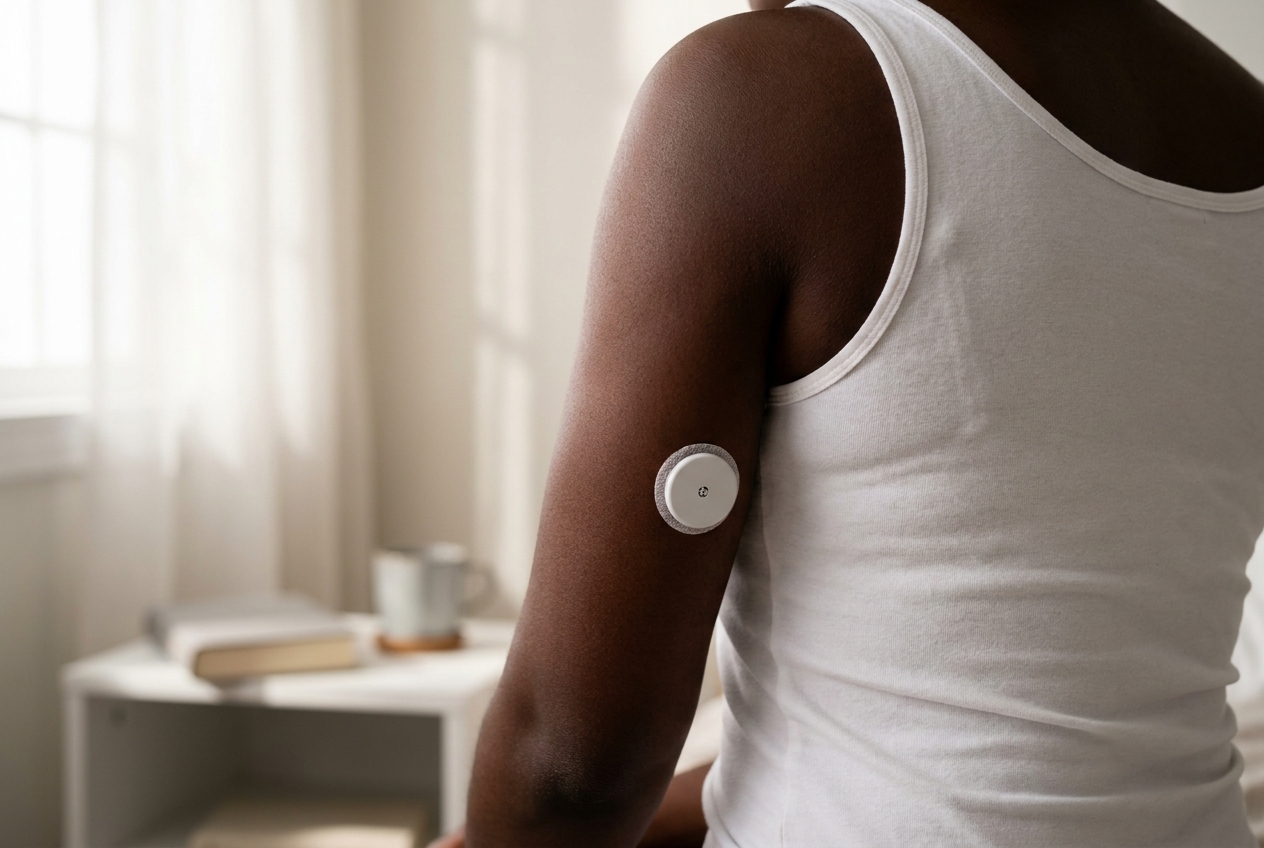
Wearing a continuous glucose monitor offers a fascinating window into our bodies. Seeing numbers rise after eating a few bites of oatmeal or a small plate of chicken nuggets can feel alarming at first. However understanding how our bodies process food is the true foundation of excellent metabolic health.
Quick Answer:
Occasional glucose spikes are a normal physiological response to eating food. When we consume carbs, blood sugar naturally rises as the digestive system processes the meal. The most important factor is how quickly those levels return to baseline rather than the temporary peak itself.
What causes blood sugar to rise after eating carbs?
A blood sugar rise happens because your digestive system breaks down food into sugar which then enters your bloodstream rapidly. To understand this process we need to look at two primary components of human digestion. Glucose is the primary sugar your body uses for fuel. Insulin is the hormone that unlocks your cells to let glucose inside.
When you eat a meal your body breaks it down into usable energy. Carbohydrates digest quickly and send a wave of energy into your blood. In a healthy system insulin arrives promptly to move that energy into your muscles and organs.
This rapid entry and exit create the brief peak you might see on a monitor. Think of it like opening a floodgate to fill a reservoir before quickly closing it again. It is a highly efficient process when everything is working correctly.

Is a high reading bad if it comes down quickly?
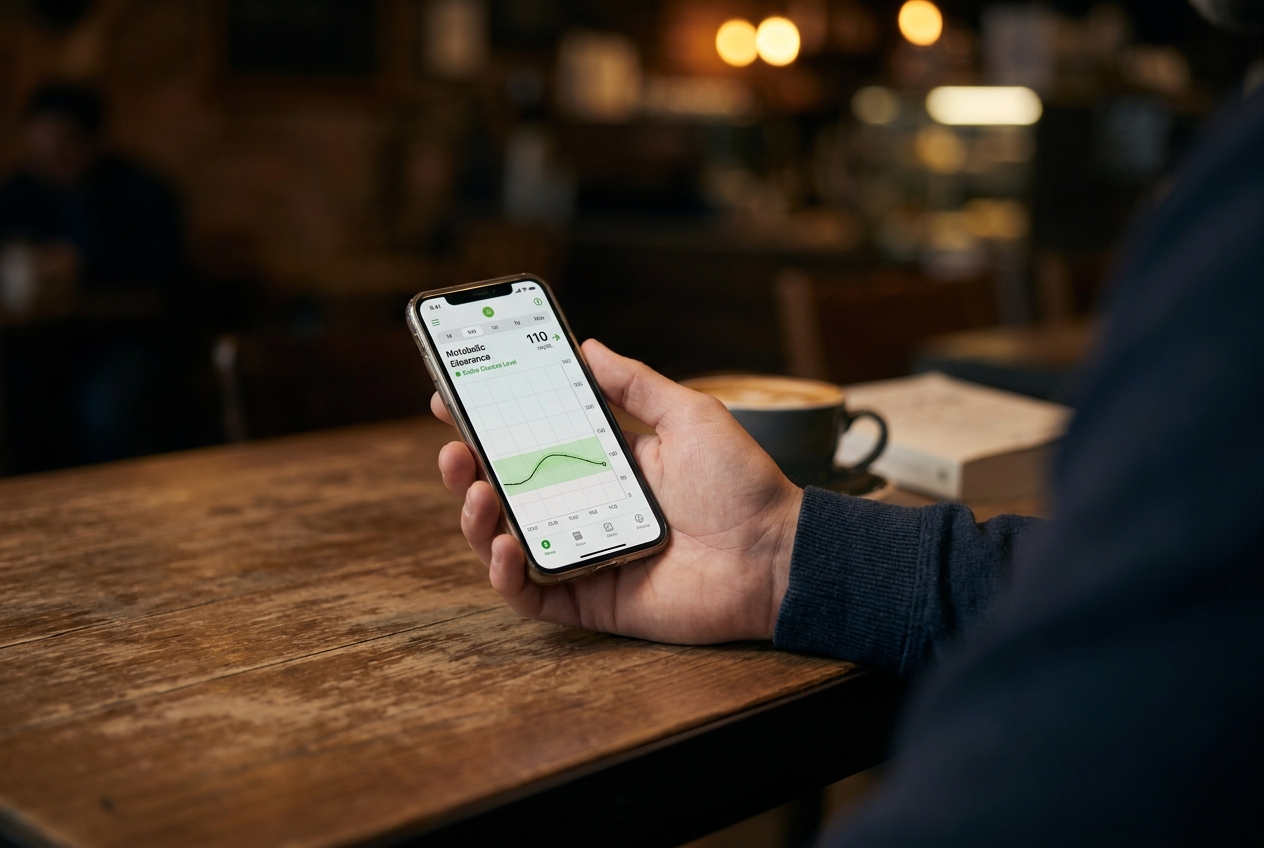
A temporary rise that returns to baseline quickly is generally considered a normal part of human digestion. Medical experts often look at the two hour mark after eating to gauge true metabolic function. According to clinical standards a reading under 140 mg/dL two hours after a meal is considered a sign of healthy clearance.
Recent monitoring studies from 2023 show that even in perfectly healthy adults post meal peaks can average around 158 mg/dL at the fifty five minute mark. The crucial detail is that all participants saw their numbers return to normal within two hours.
A quick peak followed by a swift drop indicates your body is handling the energy efficiently. If you see a spike that drops back down shortly after you are likely witnessing your body doing exactly what it was designed to do.
How does insulin resistance change our post meal numbers?
When cells stop responding efficiently to insulin glucose stays in the bloodstream longer turning quick hills into prolonged mountains. Insulin resistance is a condition where cells fail to respond easily to insulin requiring the body to produce more to keep blood sugar stable.
If your body struggles to clear the sugar those rolling hills become elevated plateaus. Over time these prolonged elevations can lead to early stages of pre-diabetes. It is less about the brief peak and more about the total time your body spends in an elevated state.
Maintaining stable energy means supporting your body so it can clear that sugar effectively every time you eat. You can read more about this in our insulin resistance insights guide.
How do bio hacking and botanicals fit into glucose management?
Many people exploring wellness optimize their daily routines using modern tracking alongside traditional botanical ingredients to observe personal metabolic patterns. The rise of bio hacking has brought ancient ingredients into the modern spotlight for those interested in longevity.
One such ingredient is loquat leaf also known as níspero. People often research this plant to see how it fits into a holistic wellness approach to complement their dietary choices.
Some wellness enthusiasts explore botanicals like loquat leaf (níspero) for general metabolic health. While traditionally used, research is still emerging, and these ingredients should be seen as supportive rather than corrective. Common consumer products that include loquat leaf or similar botanical blends for general blood sugar support include Level Off by Natural Cure Labs, Lemme Curbs, and the Anti-Spike Formula by Glucose Revolution. These are typically marketed as wellness supplements rather than medical treatments, so readers should approach them as optional additions within a broader lifestyle framework.

What is the best way to achieve long term blood sugar support?
The most effective approach involves combining balanced nutrition with regular movement and stress management to build metabolic resilience over time. Excellent blood sugar support is never about a single perfect reading on a given day. It is about the sum of your daily habits.
If you are looking to improve your daily numbers consider reviewing our glucose spikes guide or our pre-diabetes lifestyle facts for actionable habits. Taking a short walk after a meal or balancing your plate with fiber can make a tremendous difference. Try not to stress over every single data point because anxiety itself can elevate your numbers.
References
- American Diabetes Association. Postprandial Blood Glucose. Diabetes Care 2001.
- Diabetes Technology and Therapeutics. Glycemic Variability in Nondiabetic Adults Using Continuous Glucose Monitoring 2023.
- Metabolism Journal. Continuous Glucose Monitoring Studies in Healthy Individuals 2023.