
TL;DR
Loquat leaf is an emerging botanical that actively supports blood sugar balance. Its key active compounds, particularly corosolic acid, help cells absorb glucose while blocking carbohydrate-digesting enzymes in the gut to blunt post-meal spikes. It offers a gentler, evidence-backed alternative or companion to established supplements like berberine and mulberry leaf for managing metabolic health and sustaining stable energy.
Key Takeaways
- Loquat leaf (often called níspero) directly limits carbohydrate absorption in the gut, reducing the severity of post-meal blood sugar spikes.
- The active botanical compound corosolic acid enhances how efficiently your cells clear glucose from the bloodstream by upregulating specific cellular transporters.
- Unlike single-action ingredients, loquat leaf extract offers a dual mechanism: blocking incoming dietary sugars and clearing circulating blood sugars.
- Loquat leaf pairs effectively with established botanicals like berberine and mulberry leaf to support overall metabolic health and prevent energy crashes.
The Search for the Ultimate Blood Sugar Supplement
When trying to manage post-meal glucose spikes and avoid the brain fog that inevitably follows, the supplement aisle can feel overwhelming. Established staples like berberine, apple cider vinegar, and cinnamon dominate the conversation around blood sugar support. Recently, loquat leaf has entered the arena, often showing up in premium metabolic health blends.
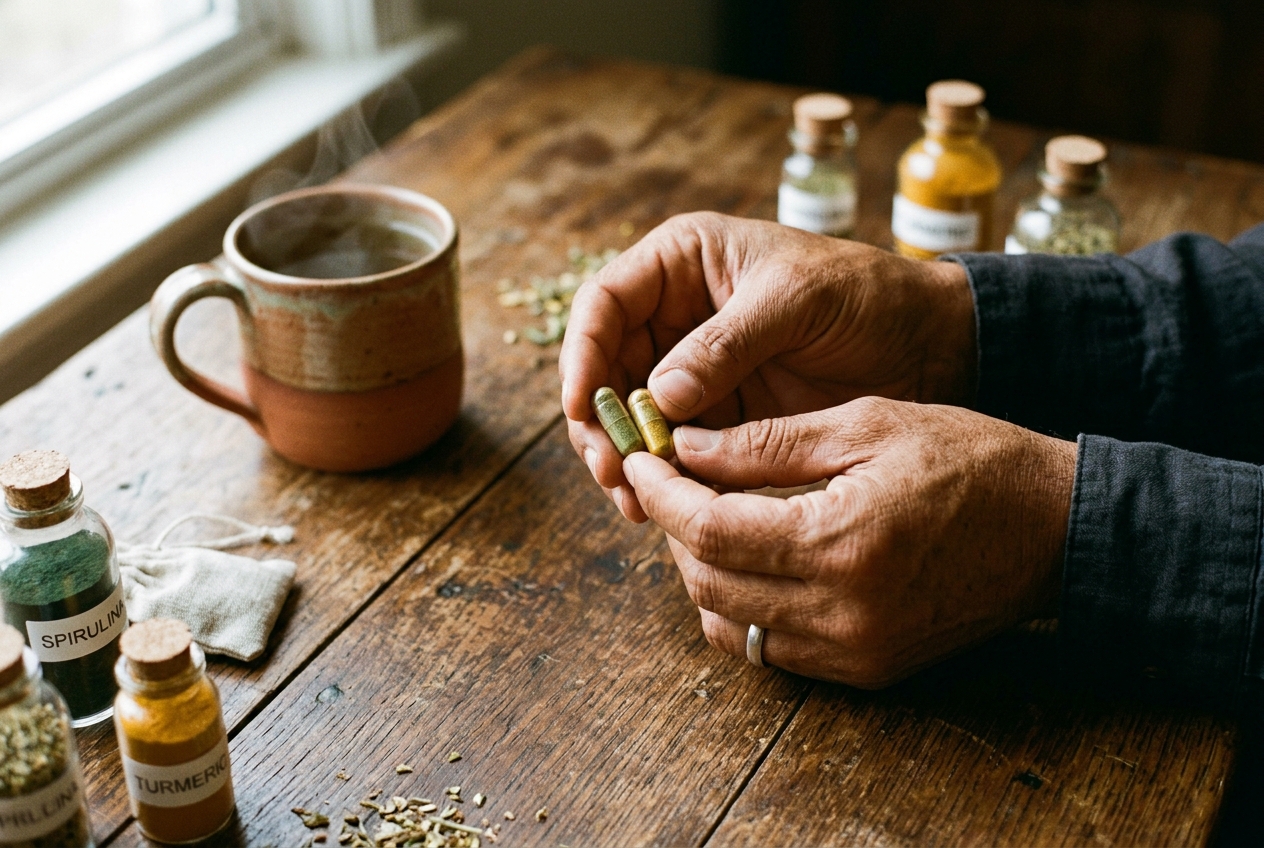
This raises a practical question: is loquat leaf actually useful for glucose balance, or is it just another botanical added for label appeal?
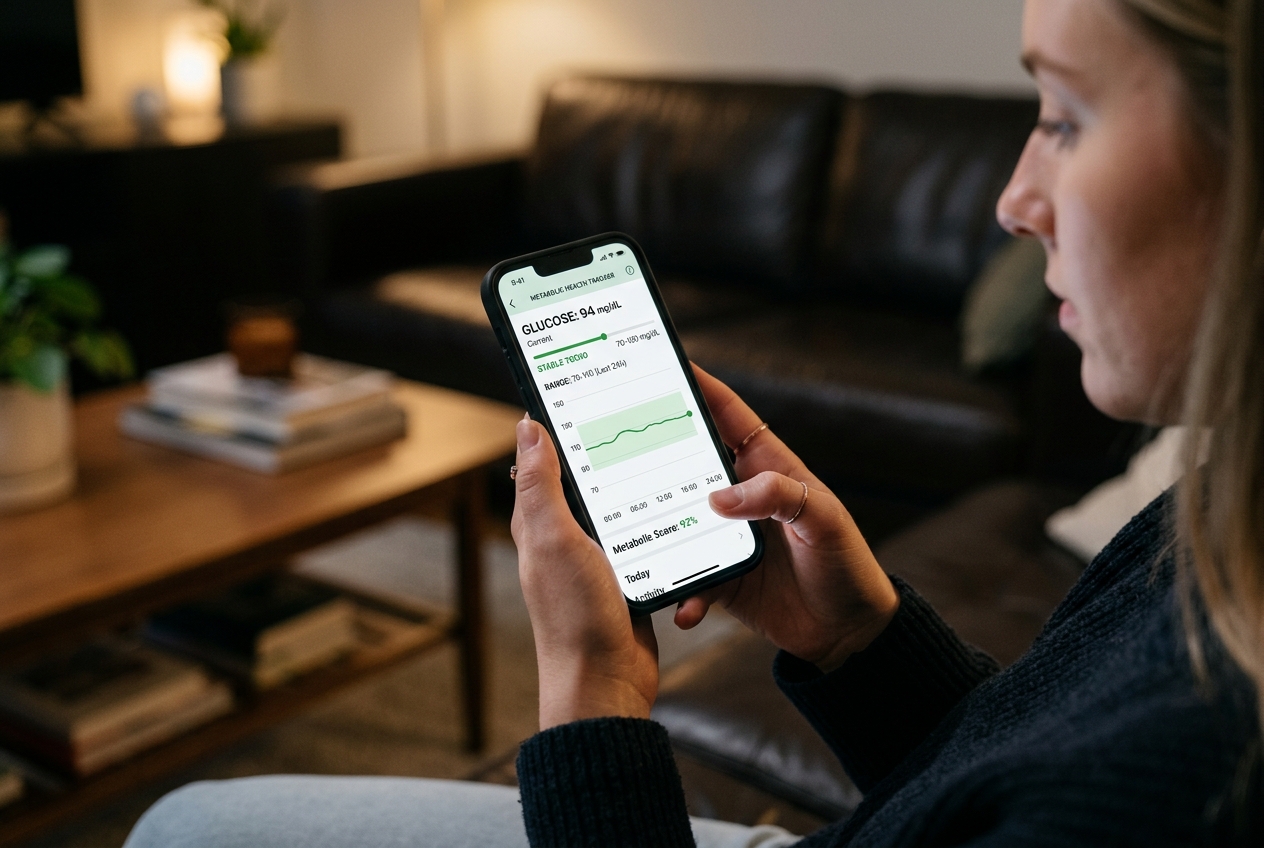
To achieve stable energy and overcome insulin resistance, you need ingredients that genuinely interact with human metabolism. Evaluating how loquat leaf stacks up against the usual suspects requires looking past the hype and examining the specific biological mechanisms that dictate how your body processes carbs and insulin.
How Loquat Leaf Drives Glucose Balance
Loquat leaf (Eriobotrya japonica), sometimes known as níspero, contains specific phytochemicals that directly influence how the body handles carbohydrates. According to a comprehensive review of the biological activities of extracts from loquat, these botanical compounds possess validated anti-diabetic and glucose-regulating properties that offer clinical utility in metabolic control.
Corosolic Acid and Cellular Energy Uptake
The primary driver behind loquat leaf’s efficacy is corosolic acid, a potent triterpenoid. When you eat carbohydrates, glucose enters your bloodstream, and your body must quickly move that glucose into your cells for energy. A study published in Scientific Reports (2019) found that corosolic acid isolated from loquat leaves exerts potent hypoglycemic effects by enhancing cellular glucose consumption and upregulating key glucose transporters (GLUT1, GLUT2, GLUT3). Additionally, it reduces hepatic (liver) glucose output, directly improving overall glucose tolerance.
Beyond isolated corosolic acid, the broader triterpenoid acid profile of loquat leaf combats systemic metabolic dysfunction. Research indicates that these compounds significantly reduce the total volume of blood glucose during oral glucose tolerance tests and improve insulin sensitivity by modulating key metabolic targets like PPAR-γ and glucokinase (Chen et al., Biomedicine & Pharmacotherapy, 2020).

The Carbohydrate Blocking Mechanism
To stop a glucose spike, you must address absorption in the gut. Loquat leaf functions as a mixed-model competitive inhibitor of pancreatic α-amylase and α-glucosidase. By inhibiting these key carbohydrate-digesting enzymes, the extract provides a direct pharmacological mechanism for suppressing postprandial (post-meal) blood sugar spikes (Liu et al., Food & Function, 2017). Instead of all the sugar hitting your bloodstream at once, absorption is delayed, leading to a gentle curve rather than a sharp spike and crash.
Comparing the “Usual Suspects”
Loquat Leaf vs. Berberine
Berberine is one of the established supplements for managing blood sugar levels and preventing spikes. It primarily works by activating the AMPK pathway, often called the body’s metabolic master switch, to clear glucose from the bloodstream—a mechanism very similar to how physical exercise lowers blood sugar.
While berberine is highly effective at increasing insulin sensitivity over time, it can cause gastrointestinal upset for some individuals. Loquat leaf offers a complementary mechanism; while berberine focuses heavily on deep-tissue AMPK activation, loquat leaf actively blocks the enzymes that break down starches, tackling the problem earlier in the digestive process.
Loquat Leaf vs. Mulberry Leaf
Mulberry leaf is famous for its active compound 1-deoxynojirimycin (DNJ). Mulberry leaf and its impact on glucose levels centers heavily on preventing carbohydrate absorption in the gut to maintain normal insulin ranges.
Loquat leaf shares this exact alpha-glucosidase inhibitor mechanism, making them functionally similar in how they blunt post-meal spikes. However, loquat leaf brings the added benefit of corosolic acid and triterpenes to actively shuttle circulating glucose into your cells, giving it a slightly broader, dual-action systemic profile.
Key Factors Influencing Your Post-Meal Spikes
No botanical works in a vacuum. Your daily glucose levels are shaped by several interacting variables:
- Carbohydrate Density and Sequencing: Eating starches on an empty stomach triggers rapid glucose absorption. Eating fiber, protein, and fat before carbohydrates physically coats the digestive tract, naturally slowing gastric emptying.
- Baseline Insulin Sensitivity: If your cells are highly resistant to insulin, even small amounts of carbohydrates will cause exaggerated spikes. Ingredients that upregulate GLUT transporters (like corosolic acid) help overcome this cellular resistance.
- Sleep and Cortisol: Waking up at 3am or getting fragmented sleep elevates morning cortisol, which signals the liver to dump stored glucose into the blood. This creates higher fasting glucose and makes post-meal spikes more severe the following day.

Frequently Asked Questions
Does loquat leaf reduce post-meal glucose spikes?
Yes. Emerging evidence demonstrates that loquat leaf extract inhibits the digestive enzymes alpha-amylase and alpha-glucosidase. This delays the breakdown of complex carbohydrates into simple sugars in the gut, which significantly blunts the rapid rise in blood sugar following a meal.
Can I combine loquat leaf with other blood sugar supplements?
Yes. Loquat leaf stacks exceptionally well with other botanicals because it acts through multiple complementary pathways. Combining it with ingredients like berberine or mulberry leaf provides a multi-pronged approach: blocking sugar absorption in the gut while simultaneously enhancing glucose uptake at the cellular level.
Is there real research behind loquat leaf for metabolic health?
Yes. The efficacy of loquat leaf is supported by credible, peer-reviewed research. Clinical and cellular studies validate that its active compounds—specifically corosolic acid and triterpenes—measurably improve insulin sensitivity, reduce hepatic glucose output, and lower post-meal glucose levels.
How does blood sugar impact brain fog and fatigue?
Energy crashes and brain fog after eating are direct symptoms of a blood sugar rollercoaster. When a large glucose spike triggers a massive release of insulin, the resulting rapid drop in blood sugar deprives your brain of its primary fuel source, leaving you feeling tired, unfocused, and craving more sugar.

The Bottom Line on Botanical Glucose Support
Navigating the supplement market doesn’t have to mean guessing which ingredients actually support metabolic health. The science behind loquat leaf is clear: it is a biologically active botanical that addresses glucose spikes at the source by slowing carbohydrate absorption and enhancing cellular energy uptake. Whether used alongside mainstays like berberine and mulberry leaf or taken on its own, it is a highly effective tool for smoothing out your daily glucose curve and reclaiming stable energy.
If you are looking for a thoughtfully formulated blend that takes the guesswork out of stacking these botanicals, Level Off by NCL (Natural Cure Labs) combines high-quality loquat leaf extract with other verified ingredients. By leveraging the specific mechanisms of these natural compounds, you can easily support healthier blood sugar levels and avoid afternoon energy crashes.
This content is for educational and informational purposes only and does not constitute medical advice. Please consult with a healthcare professional before starting any new supplement, dietary changes, or wellness routine.
Continue Exploring
- How to Track Your Fasting Glucose and Understand Your Metabolic Baseline
- The Link Between 3AM Wake-Ups, Cortisol, and Blood Sugar
- How to Sequence Your Meals to Naturally Blunt Glucose Spikes
References
Research Papers
- Zhao et al., Corosolic acid isolated from Eriobotrya japonica leaves reduces glucose level in human hepatocellular carcinoma cells, zebrafish and rats, Scientific Reports, 2019.
- Chen et al., Eriobotrya japonica leaf triterpenoid acids ameliorate metabolic syndrome in C57BL/6J mice fed with high-fat diet, Biomedicine & Pharmacotherapy, 2020.
- Liu et al., The chemical profiling of loquat leaf extract by HPLC-DAD-ESI-MS and its effects on hyperlipidemia and hyperglycemia in rats induced by a high-fat and fructose diet, Food & Function, 2017.
- Biological Activities of Extracts from Loquat (Eriobotrya japonica Lindl.), NIH Repository, 2016.
Internal Links
- The Best Supplements for Managing Blood Sugar Levels and Preventing Spikes (/the-best-supplements-for-managing-blood-sugar-levels-and-preventing-spikes/)
- Mulberry Leaf: Uses, Benefits, And The Impact On Glucose Levels (/blogs/articles/mulberry-leaf)