
TL;DR
Yes, certain botanicals can effectively reduce sugar cravings by targeting their root biological causes: blood sugar crashes and sensory reward pathways. Extracts like loquat leaf slow carbohydrate digestion to stabilize glucose levels and prevent crash-induced hunger, while herbs like Gymnema sylvestre physically block sweet taste receptors on the tongue.
Key Takeaways
- Loquat leaf (níspero) contains flavonoids that block carbohydrate-digesting enzymes, reducing the sudden glucose spikes that lead to intense afternoon cravings.
- Gymnema sylvestre provides sensory intervention by temporarily binding to taste receptors on the tongue, neutralizing the perceived sweetness and reward of sugary foods.
- Botanical extracts improve systemic metabolic health over time by restoring cellular insulin sensitivity, making the body more efficient at using stored energy.
- Plant-based blood sugar support works best when paired with a balanced diet, as botanicals amplify healthy habits rather than erasing the effects of high-sugar meals.
Have you ever felt an overpowering urge for something sweet at 3:00 PM, no matter how much willpower you try to muster? That sudden afternoon fatigue and immediate demand for sugar usually isn’t a lack of discipline—it is pure biology. When a meal high in refined carbohydrates digests quickly, it floods the bloodstream and causes rapid glucose spikes. What goes up must come down, and the subsequent crash sends emergency survival signals to the brain demanding quick energy.
This physiological rollercoaster makes relying on willpower a losing battle. Escaping the cycle requires robust blood sugar support to stabilize the body’s internal environment. By integrating targeted botanicals into a daily routine, it becomes possible to intercept these cravings at the biological source, supporting long-term metabolic health and maintaining stable energy throughout the entire day.

How Do Botanicals Intercept Sugar Cravings?
Sugar cravings are primarily driven by two physiological forces: a steep drop in blood glucose and the neurological reward triggered by sweet flavors. Specific plant compounds address both sides of this equation by physically altering digestion and sensory perception.
Slowing Carbohydrate Digestion
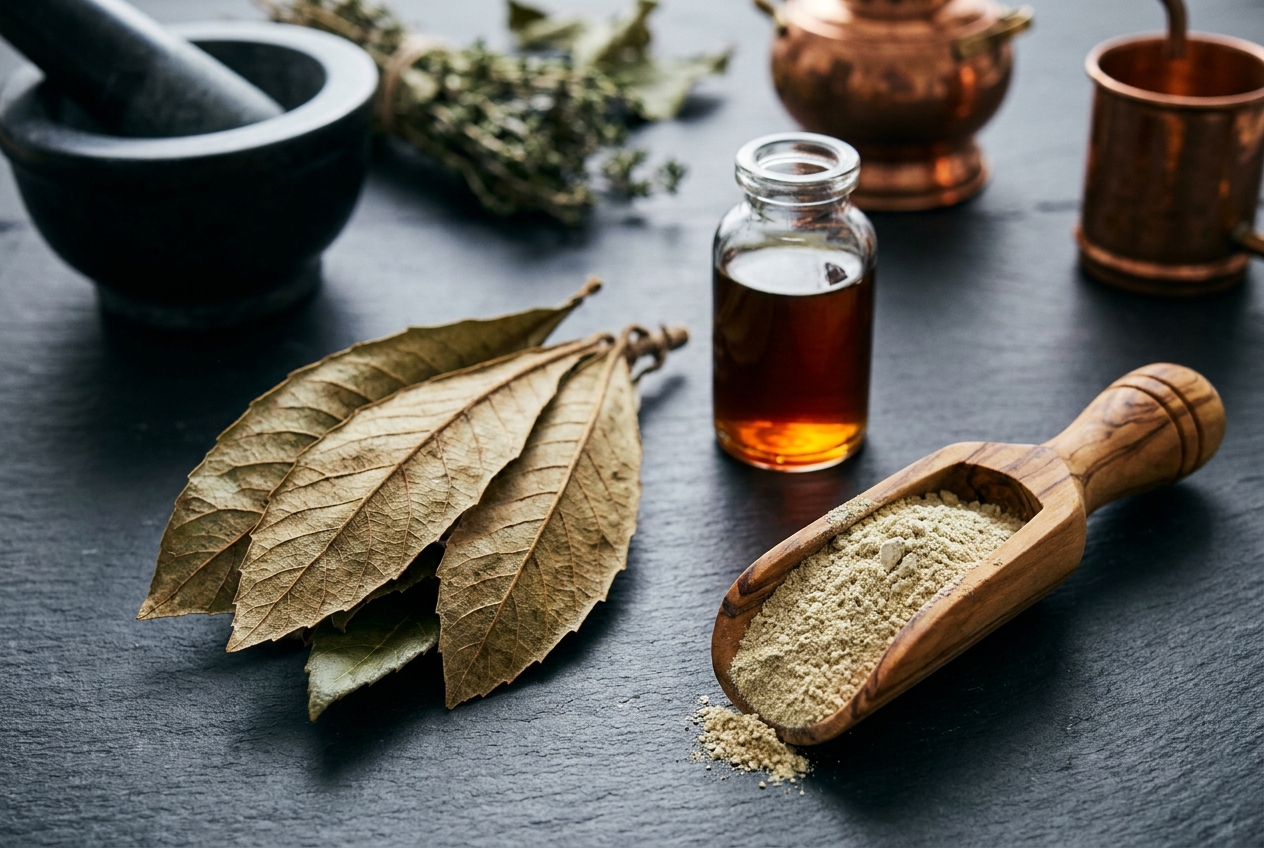
The most effective way to stop a sugar craving is to prevent the preceding blood sugar crash. This requires slowing down how the body breaks down carbs into usable glucose. Loquat leaf (also known as níspero) contains highly specific compounds that target the digestive process. Research indicates that flavonoids found in loquat leaf act as potent α-glucosidase inhibitors, an enzymatic blockade that effectively slows carbohydrate digestion and blunts postprandial glucose spikes [1].
This digestive interference prevents the steep energetic dips that trigger intense hunger. Because of this mechanism, botanical inhibition is considered a cornerstone strategy among The Best Supplements for Managing Blood Sugar Levels and Preventing Spikes.
Improving Cellular Insulin Sensitivity
Beyond the gut, the body must efficiently move glucose out of the bloodstream and into muscle and fat cells. When cells become numb to insulin, glucose pools in the blood—a metabolic state known as insulin resistance. Over time, daily administration of loquat leaf aqueous extract dose-dependently ameliorates hyperglycemia and improves systemic insulin sensitivity [2].
This cellular repair helps individuals naturally lower blood sugar and stop glucose spikes from the inside out, providing a solid foundation for lasting glycemic control. Some premium formulations leverage loquat leaf precisely for this contextual, wellness-oriented botanical support.
Blocking Sweet Taste Receptors
Some botanicals function as immediate sensory interventions. Gymnema sylvestre contains specialized molecules called gymnemic acids, which share a similar atomic structure to glucose. These acids temporarily bind to sweet taste receptors on the tongue, blocking sugar molecules from activating them. Preclinical and human studies confirm that Gymnema sylvestre acts as a peripheral sweet taste inhibitor, significantly reducing perceived sweetness and short-circuiting the desire for sugar [3].
Beyond the tongue, the same compounds actively inhibit intestinal glucose absorption, preserving pancreatic function and stimulating healthy insulin secretion to act as a multi-target metabolic regulator [4].

What Factors Affect Botanical Efficacy?
While botanical extracts offer powerful metabolic leverage, their effectiveness depends heavily on behavioral and contextual variables.
- Dietary Baseline: Botanicals are modifiers, not erasers. An α-glucosidase inhibitor like loquat leaf will gracefully slow the absorption of a moderately balanced meal, but it cannot fully neutralize the glycemic impact of eating a large volume of liquid sugar or isolated simple syrups.
- Timing of Consumption: Herbs that block carbohydrate absorption are highly time-dependent. To effectively blunt a glucose spike, supplements targeting digestive enzymes must be taken shortly before or immediately at the beginning of a meal.
- Consistency: While taste-receptor blockers work instantly on the tongue, compounds that improve cellular insulin sensitivity require persistent, daily use to repair metabolic pathways and alter baseline hormone levels.
Frequently Asked Questions
What is blood sugar and why does it trigger cravings?
Blood sugar, or glucose, is the primary energy source circulating in your bloodstream. When levels spike dramatically after eating simple carbs and then plummet, the brain interprets the sudden lack of circulating energy as starvation, triggering intense cravings to rapidly replenish fuel supplies.
How long does it take for herbs to stop sugar cravings?
Herbs like Gymnema sylvestre block sweet taste receptors instantly upon contact with the tongue, stopping immediate cravings. However, botanicals like loquat leaf that work by improving insulin sensitivity and stabilizing daily energy levels typically require several weeks of consistent use to produce noticeable reductions in afternoon crashes.

Are botanical supplements safe for pre-diabetes and insulin resistance?
Plant extracts like loquat leaf and gymnema are widely utilized to support metabolic health and are generally well-tolerated by those looking to optimize their glucose handling. However, individuals already taking prescription blood sugar medications should always review supplements with their doctor to avoid the risk of compounding effects.
Does loquat leaf cause abnormally low blood sugar?
In healthy individuals, loquat leaf acts as a stabilizer rather than a direct glucose-lowering drug. It prevents excessive spikes by slowing digestion and improving cellular efficiency, which naturally prevents the reactive crashes that lead to extreme lows.
The Bottom Line on Botanicals and Cravings
Escaping the grip of constant sugar cravings requires addressing the underlying physiological triggers: erratic glucose levels and hardwired sensory reward loops. By utilizing botanicals like loquat leaf to slow carbohydrate digestion and improve insulin sensitivity, the body maintains a steadier energy baseline. When paired with the sensory-blocking power of herbs like Gymnema sylvestre, these natural tools transform metabolic health from a constant battle of willpower into a biologically supported state of balance.
Continue Exploring
- The Best Supplements for Managing Blood Sugar Levels and Preventing Spikes
- 10 Ways to Naturally Lower Blood Sugar and Stop Glucose Spikes
- Ryu et al., Structural Diversity and Anti-Diabetic Potential of Flavonoids and Phenolic Compounds in Eriobotrya japonica Leaves, Molecules, 2025. https://doi.org/10.3390/molecules30030736
- Naili et al., Loquat (Eriobotrya japonica (Thunb) Lindl.): Evaluation of nutritional value, polyphenol composition, antidiabetic effect, and toxicity of leaf aqueous extract, Journal of Ethnopharmacology, 2022. https://doi.org/10.1016/j.jep.2022.115473
- Smith et al., Targeting sweet taste as a strategy to reduce sugar reward: Preliminary evidence from preclinical and human studies, Appetite, 2026. https://doi.org/10.1016/j.appet.2026.108583
- Singla et al., Gymnema sylvestre as a Multi-Target Antidiabetic Agent: Mechanistic Insights and Metabolic Regulation, International Journal of Molecular Sciences, 2026. https://doi.org/10.3390/ijms27125609
This content is for educational and informational purposes only and does not constitute medical advice. Please consult with a healthcare professional before starting any new supplement, dietary changes, or wellness routine.