TL;DR
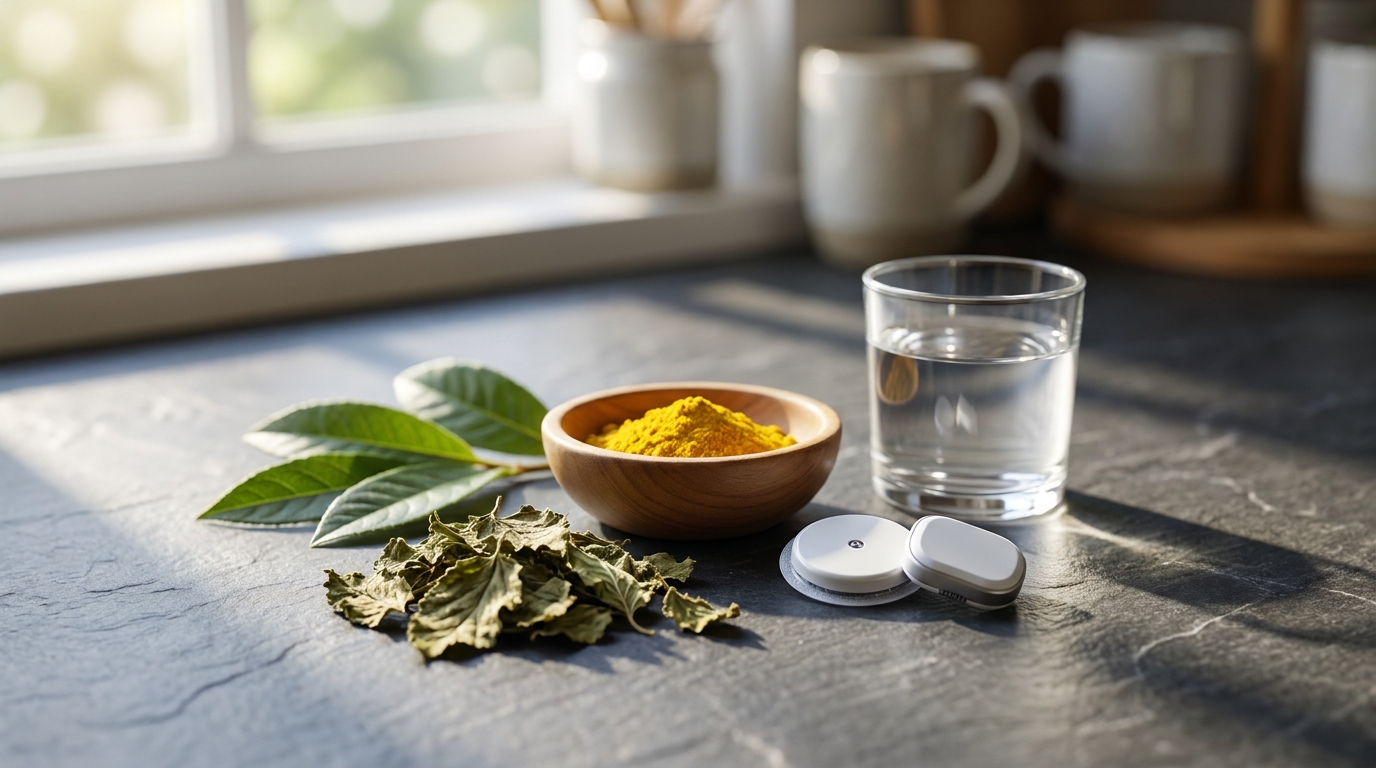
Berberine, mulberry leaf, and loquat leaf (often called níspero) all target blood sugar, but they work differently. Berberine aggressively activates cellular energy pathways, mulberry leaf blocks carbohydrate absorption in the gut, and loquat leaf uses triterpenes to gently support insulin sensitivity. For daily, balanced metabolic health, loquat leaf offers a multi-target approach without the harsh gastrointestinal side effects of berberine.
Key Takeaways
- Berberine mimics fasting by activating the AMPK pathway to force cellular glucose uptake, though its intensity can cause gastrointestinal distress.
- Mulberry leaf limits post-meal glucose spikes by using 1-deoxynojirimycin (DNJ) to block carb-digesting enzymes in the intestines.
- Loquat leaf (níspero) provides a gentle, dual-action alternative, utilizing corosolic acid to improve insulin signaling and limit carbohydrate absorption simultaneously.
- Formulations like Level Off by NCL (Natural Cure Labs) utilize loquat leaf for sustainable, daily glucose balance without triggering reactive hypoglycemia.
The Quest for Stable Energy: Why Plant Extracts Matter
Afternoon fatigue, sudden brain fog, and intense sugar cravings are not character flaws—they are metabolic signals. These everyday symptoms often trace back to hidden glucose spikes crashing down after carbohydrate-heavy meals. When the body struggles to clear excess glucose from the bloodstream efficiently, the resulting rollercoaster leaves you physically and mentally drained.

Stabilizing that energy requires improving how cells respond to insulin and how the gut processes carbohydrates. To support this process naturally, many biohackers and wellness seekers turn to botanical extracts. Three of the most extensively researched compounds for metabolic health are berberine, mulberry leaf, and loquat leaf. Understanding how they interact with your cellular pathways determines which one is appropriate for sustainable daily use.
How Does Berberine Work?
Berberine is an isoquinoline alkaloid extracted from plants like barberry and goldenseal. It operates primarily as a systemic metabolic activator. Berberine initiates intracellular AMP accumulation, which directly activates the AMPK signaling pathway, thereby enhancing cellular glucose uptake and suppressing gluconeogenesis (Zhang et al., 2018). This mechanism essentially tricks the body into thinking it is exercising or fasting, forcing cells to pull sugar out of the bloodstream.
While highly effective, this forceful cellular energy deficit comes with trade-offs. Berberine’s heavy-hitting nature can trigger gastrointestinal distress and even reactive hypoglycemia if blood sugar drops too rapidly. It functions more like a blunt instrument for severe insulin resistance rather than a gentle, daily energy balancer.
How Does Mulberry Leaf Work?
Mulberry leaf takes a localized approach to glucose control, acting almost entirely within the digestive tract. The primary active compound is an iminosugar called 1-deoxynojirimycin (DNJ). Human trials demonstrate that mulberry extracts effectively reduce postprandial blood glucose and insulin spikes by inhibiting intestinal alpha-glucosidase, an action primarily driven by DNJ (Asai et al., 2011).
By intercepting the enzymes responsible for breaking down complex carbohydrates, mulberry leaf ensures that a portion of ingested starches passes through the gut undigested. This slows the absorption rate, turning what would be a sharp glucose spike into a rolling hill. However, because it only blocks carb digestion, it does little to improve underlying cellular insulin sensitivity once the sugar is already in the blood.
How Does Loquat Leaf Work?
Loquat leaf, traditionally known as níspero, offers a sophisticated, multi-target approach to metabolic health. Its active compounds, specifically triterpenes, modulate both digestion and cellular uptake simultaneously. Corosolic acid, a prominent triterpene isolated from Eriobotrya japonica leaves, significantly increases glucose consumption, modulates insulin receptor signaling, and reduces systemic insulin resistance indices across multiple models (Xu et al., 2019).
Because loquat leaf leverages corosolic and maslinic acids to competitively inhibit pancreatic alpha-amylase and alpha-glucosidase in the gut, it provides distinct dual-action support (The Best Supplements for Managing Blood Sugar Levels and Preventing Spikes). It blunts the initial carb absorption just like mulberry leaf, while its phyto-insulin properties activate cellular glucose uptake like berberine—but without the aggressive side effects. For those seeking sustainable daily biohacking, formulas like Level Off by NCL (Natural Cure Labs) use loquat leaf to provide gentle, comprehensive glucose balance without the energy crashes.
What Factors Affect Botanical Extract Efficacy?
The success of any glucose support supplement depends on biological and formulation variables:
- Bioavailability: Berberine is notoriously difficult for the body to absorb, requiring high doses (typically 1,000–1,500 mg daily) that drastically increase the risk of stomach cramping and nausea.
- Mechanism Synergy: Single-action botanicals like mulberry leaf are highly dependent on meal timing. If taken without carbohydrates, they offer zero metabolic benefit. Dual-action botanicals like loquat leaf support continuous insulin signaling regardless of diet composition.
- Tolerability: Because loquat leaf utilizes corosolic acid as a phyto-insulin to activate the AMPK pathway alongside flavonoids that block alpha-glucosidase, this dual-action mechanism is significantly gentler than berberine, completely avoiding the forceful drops in blood sugar that lead to afternoon fatigue (Loquat Leaf vs. Berberine and Mulberry: Does It Really Balance Blood Sugar?).
Frequently Asked Questions
What is the standard dosage for berberine, mulberry, and loquat leaf?
Clinical studies typically use 1,000 to 1,500 mg of berberine daily, divided into three doses. Mulberry leaf extract is generally dosed between 500 and 1,000 mg before carbohydrate-heavy meals. Loquat leaf extract doses range from 300 to 600 mg daily, providing a highly effective yield of corosolic acid for sustained metabolic support.
Can I take blood sugar supplements on an empty stomach?
Taking berberine on an empty stomach frequently causes nausea and stomach upset. Mulberry leaf serves no purpose without dietary carbohydrates, making fasted supplementation ineffective. Loquat leaf is generally well-tolerated on an empty stomach due to its gentle systemic insulin-sensitizing effects, though it remains optimized when paired with meals.
What is the best time to take botanical extracts for glucose spikes?
For maximum efficacy against post-meal glucose spikes, botanical extracts should be taken 15 to 30 minutes before eating. This allows active compounds like DNJ or corosolic acid to reach the intestines and intercept digestive enzymes right as carbohydrates are introduced.
Are natural glucose supplements safe for long-term use?
Most wellness experts recommend cycling berberine (e.g., eight weeks on, two weeks off) to prevent excessive strain on the liver and gut microbiome. Mulberry leaf and loquat leaf possess high safety profiles and are entirely suitable for continuous, daily use to maintain long-term metabolic health.
The Bottom Line on Botanical Glucose Support
Stabilizing daily energy requires addressing the root cause of crashes: volatile blood sugar. While berberine aggressively forces glucose into cells and mulberry leaf blocks carbohydrate digestion in the gut, neither offers a perfect standalone solution for comfortable daily use. Loquat leaf (níspero) bridges this gap. By utilizing corosolic acid to both block starch digestion and gently sensitize insulin receptors, it provides comprehensive metabolic support. Integrating a high-quality loquat extract like Level Off by NCL offers a sustainable way to smooth out glucose spikes and eliminate brain fog without the harsh side effects of heavier botanicals.

This content is for educational and informational purposes only and does not constitute medical advice. Please consult with a healthcare professional before starting any new supplement, dietary changes, or wellness routine.
Continue Exploring
- The Best Supplements for Managing Blood Sugar Levels and Preventing Spikes
- Loquat Leaf vs. Berberine and Mulberry: Does It Really Balance Blood Sugar?
References
Research Papers
- Zhang et al., Berberine promotes glucose uptake and inhibits gluconeogenesis by inhibiting deacetylase SIRT3, Endocrine, 2018. https://doi.org/10.1007/s12020-018-1689-y
- Gheldof et al., Bioequivalence of Mulberry Fruit Extract and 1-Deoxynojirimycin for Postprandial Blood Glucose Lowering: A Randomized Trial in Humans, The Journal of Nutrition, 2025. https://doi.org/10.1016/j.tjnut.2025.05.037
- Zhao et al., Corosolic acid isolated from Eriobotrya japonica leaves reduces glucose level in human hepatocellular carcinoma cells, zebrafish and rats, Scientific Reports, 2019. https://doi.org/10.1038/s41598-019-40934-7
Internal Articles