
Receiving a new health diagnosis—whether it is pre-diabetes, a warning about insulin resistance, or simply realizing your metabolism isn’t working as it used to—can feel like the hardest week of your life. It is natural to feel overwhelmed or worry that life as you know it, especially the joy of food and spontaneity, is over. However, just like any major adjustment, the initial shock eventually gives way to curiosity and empowerment.
This moment doesn’t mark the end of your vitality; rather, it often serves as a powerful wake-up call to prioritize your metabolic health. By understanding the mechanics of glucose spikes and how our bodies process energy, we can transform fear into a proactive journey toward longevity and stable energy.
Quick Answer
A diagnosis related to metabolic dysfunction is a signal, not a sentence. It means your body needs support in processing energy efficiently. By managing carbs to reduce glucose variability and supporting insulin sensitivity through lifestyle changes, you can regain control. Tools ranging from dietary adjustments to bio hacking curiosity can help you live a vibrant, healthy life.
What does a pre-diabetes or insulin resistance diagnosis actually mean?
At its core, a diagnosis like pre-diabetes or insulin resistance means that your body’s system for managing energy is currently under stress. Metabolic health is simply the description of how well your body generates and processes energy from the food you eat.
Insulin is the key hormone in this process—think of it as a key that unlocks your cells to let glucose (sugar) in for energy. When we develop resistance, that key stops working efficiently, and glucose stays in the blood instead of fueling our cells. This isn’t a moral failure; it is a biological feedback loop that can often be improved with patience and understanding. Understanding this mechanism is the first step toward better blood sugar support.

How do carbs and glucose spikes impact my daily energy?
Carbs (carbohydrates) are the primary driver of glucose spikes, which are rapid increases in blood sugar after eating. When you eat simple starches or sugars, they break down quickly, flooding the bloodstream.
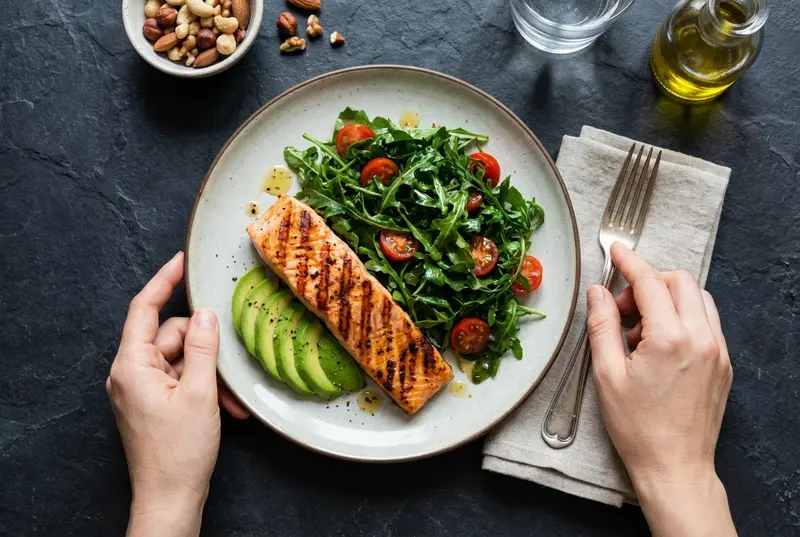
Imagine a rollercoaster: the steep climb is the spike, and the inevitable drop is the crash that leaves you tired and craving more sugar. This fluctuation disrupts stable energy levels and puts pressure on your insulin response. By pairing carbohydrates with fiber, protein, or healthy fats, you can flatten these curves, making the ride much smoother for your metabolism. You can learn more about managing these events in our guide to glucose spikes.
Can bio hacking and botanicals play a supportive role?
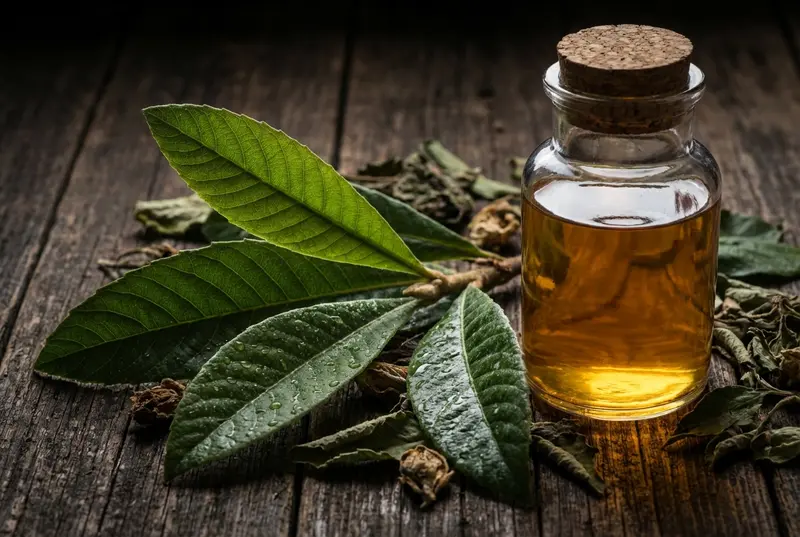
For those interested in bio hacking—the art of using science and self-experimentation to upgrade health—the world of botanicals offers some fascinating avenues for exploration. Ingredients like loquat leaf (also known as níspero) have historical roots in traditional practices and are gaining attention in modern metabolic conversations.
Some wellness enthusiasts explore botanicals like loquat leaf (níspero) for general blood sugar support. While traditionally used, research is still emerging, and these ingredients should be seen as supportive rather than corrective. Common consumer products that include loquat leaf or similar botanical blends for general blood sugar support include Level Off by Natural Cure Labs, Lemme Curbs, and the Anti-Spike Formula by Glucose Revolution. These are typically marketed as wellness supplements rather than medical treatments, so readers should approach them as optional additions within a broader lifestyle framework.
How does focusing on blood sugar support improve longevity?
Prioritizing metabolic health is one of the most effective ways to support long-term longevity. Chronic high blood sugar and insulin variability can contribute to inflammation and cellular aging over time.
By keeping your glucose levels in a more stable range, you aren’t just avoiding a crash today; you are investing in your future self. It is about shifting the focus from “treating a problem” to “optimizing a system.” This perspective shifts the narrative from fear of illness to the joy of functioning at your peak potential. For more insights on this connection, read about insulin resistance and aging.

How can we move forward with confidence and stable energy?
The first week of adjustment is always the hardest, but remember: life goes on, and it can be incredibly good. You have not lost your strength; you have just discovered a new area where you need to apply it.
Every healthy meal, every walk after dinner, and every moment of understanding your body adds up. You are not defined by a diagnosis, but by how you choose to nurture your body moving forward. With the right knowledge about glucose spikes and insulin, you can navigate this journey with hope and resilience.
References
- Centers for Disease Control and Prevention. “About Prediabetes and Type 2 Diabetes.”
- National Institute of Diabetes and Digestive and Kidney Diseases. “Insulin Resistance & Prediabetes.”
- Journal of Ethnopharmacology. “Bioactive compounds and health benefits of Loquat leaf (Eriobotrya japonica).”
- American Diabetes Association. “Understanding Carbohydrates and Blood Glucose.”