TL;DR
To flatten a blood glucose spike, focus on tactical habits before and after you eat. Consuming fiber and protein before carbs slows digestion, while drinking diluted apple cider vinegar improves insulin response. Taking a short walk after meals helps muscles absorb excess glucose, and botanical support like loquat leaf can further stabilize post-meal energy.
Key Takeaways
- Changing the order of the foods you eat—specifically, eating protein and veggies before carbs—significantly reduces post-meal glucose spikes.
- Consuming acetic acid from apple cider vinegar before a meal improves insulin sensitivity and slows the release of glucose into the bloodstream.
- Light physical activity, like a 10-minute walk right after eating, allows your muscles to actively clear excess glucose without requiring additional insulin.
- Botanical interventions, such as loquat leaf extracts, contain active compounds that provide targeted blood sugar support and blunt post-prandial spikes.
When you eat a meal rich in carbohydrates, your digestive system breaks those carbs down into glucose, causing your blood sugar to rise. While a gentle rise is perfectly normal, sharp, steep increases—known as glucose spikes—can trigger a cascade of unwanted effects in the body. An hour or two after a massive spike, your body overcompensates with a surge of insulin, leading to an inevitable crash. That crash is the hidden culprit behind afternoon brain fog, sudden sugar cravings, and lingering fatigue.
Constantly riding this blood sugar roller coaster takes a long-term toll on your metabolic health. Over time, repeated glucose spikes can contribute to insulin resistance, making it difficult to maintain stable energy throughout the day. However, managing your blood sugar isn’t simply about eliminating carbs. It is about tactically controlling how your body processes them. By utilizing a few simple bio-hacking habits around your meals, you can blunt these spikes, keeping your energy steady and your metabolism running efficiently.
Why Do Glucose Spikes Happen?
Every food you eat has a unique impact on your blood sugar, but carbohydrates are the primary drivers of glucose spikes. When carbohydrates enter the stomach and small intestine, they are rapidly converted into simple sugars. If you eat fast-digesting carbs—like bread, pasta, or sweets—on an empty stomach, this conversion process happens incredibly fast.
This rapid influx of glucose floods the bloodstream faster than your cells can absorb it. Your pancreas detects this surge and pumps out insulin, the hormone responsible for unlocking your cells to let glucose in. When the spike is too steep, the pancreas often releases more insulin than necessary. This over-correction rapidly clears the glucose out of the blood and sends your blood sugar plummeting well below its baseline. This reactive drop is what directly causes the classic post-meal energy crash. Slowing down the speed at which glucose enters the bloodstream is the fundamental key to flattening the curve.
What Factors Affect Your Blood Sugar Curve?
1. Food Sequencing
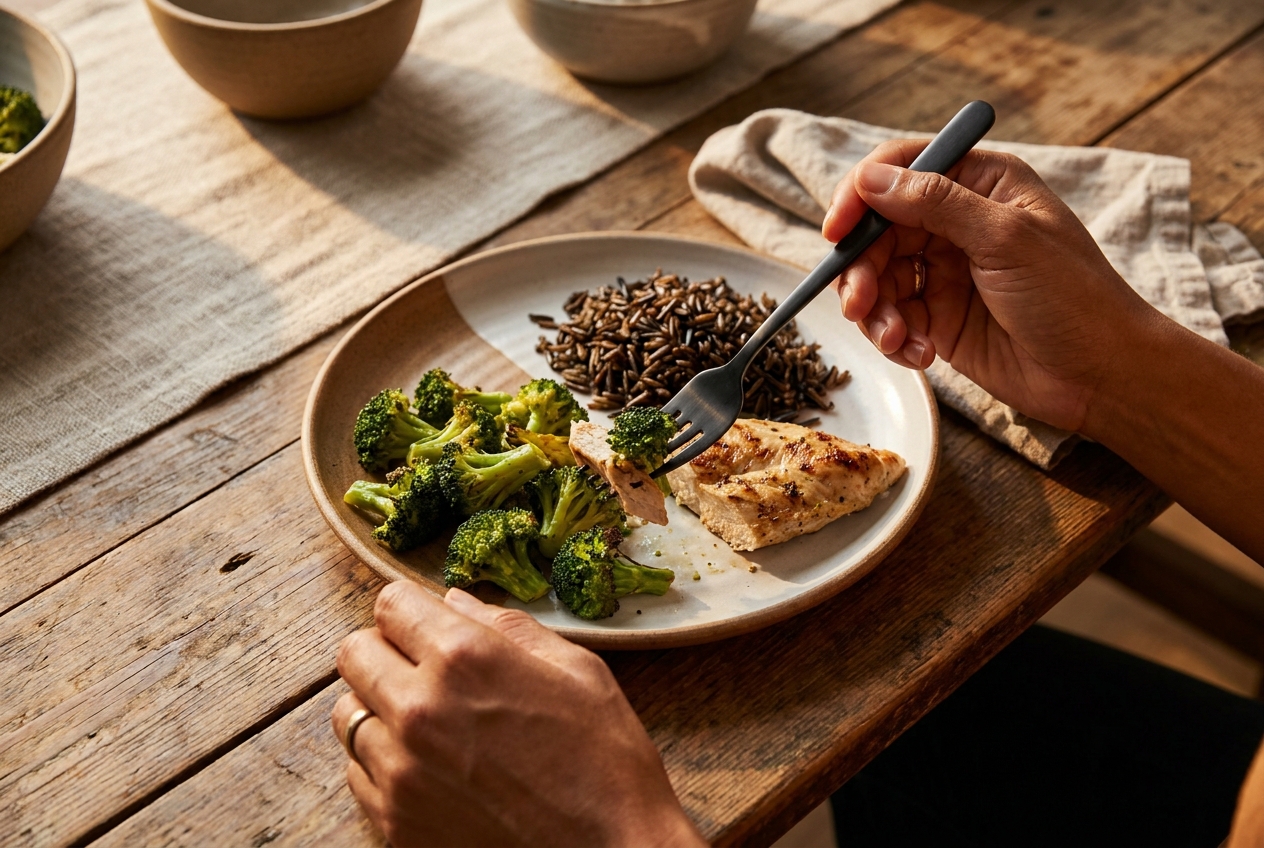
The order in which you eat your macronutrients fundamentally changes how they are digested. If you eat carbohydrates first, they hit the stomach and break down instantly. But if you eat vegetables (fiber) and protein first, you create a physical and viscous buffer in your digestive tract. This slows gastric emptying, meaning the carbohydrates you eat afterward are digested much more slowly. A study published in Diabetes Metabolic Syndrome and Obesity found that consuming vegetables and protein before carbohydrates significantly blunts blood sugar spikes, reducing the incremental area under the curve for postprandial glucose by 40.9% and insulin by 31.7% compared to eating the exact same foods mixed together.
2. Acetic Acid (Apple Cider Vinegar)
Apple cider vinegar has become a popular tool for blood sugar support, and the mechanism behind it is well-documented. Acetic acid, the active component in vinegar, temporarily inactivates alpha-amylase, the digestive enzyme that breaks down starches. This mimics a mild, natural version of an absorption blocker, slowing the rate at which sugar enters the blood. An umbrella review of 10 meta-analyses encompassing 38 primary studies confirmed that vinegar consumption significantly improves glycemic regulation, reducing postprandial glucose excursions by an average of 14.59 mg/dL and lowering overall HbA1c levels. Drinking a tablespoon of vinegar diluted in water about ten minutes before a starchy meal directly helps keep your glucose curve flat.

3. Light Movement
Your muscles are the largest consumers of glucose in the body. When you are sitting, your muscles rely almost entirely on insulin to absorb glucose. But when you move, muscle contraction activates a different cellular pathway, allowing muscles to pull glucose out of the bloodstream independently of insulin. A meta-analysis of 39 studies demonstrated that interrupting sedentary time with short walking breaks significantly lowers postprandial glucose and insulin responses, with walking proving superior to other modes of activity for glycemic clearance. Just a 10- to 15-minute walk right after eating puts your muscles to work, effectively burning off the excess glucose before it can cause a steep spike.

4. Botanical Support with Loquat Leaf
Beyond diet and movement, specific botanicals have been shown to support healthy glucose levels naturally. Loquat leaf (also known as níspero) is a traditional botanical widely recognized for its metabolic benefits. The leaves contain specialized compounds called triterpenoid acids, which actively support glucose metabolism. Research indicates that triterpenoid acids extracted from Loquat leaf significantly reduce the area under the curve for blood glucose, effectively alleviating insulin resistance by modulating key metabolic targets. For targeted daily support, integrating a dedicated supplement like Level Off by NCL (Natural Cure Labs) leverages these active botanical properties to help stabilize glucose alongside your healthy lifestyle habits.

Frequently Asked Questions
Can you completely avoid glucose spikes?
It is neither possible nor necessary to completely avoid rises in blood sugar, as your body naturally absorbs energy from food. The goal of metabolic health is to keep these fluctuations gentle and rolling, rather than sharp and steep.
How long after eating does a glucose spike happen?
A typical glucose spike peaks between 45 and 75 minutes after starting a meal, depending on what you ate and your individual metabolic rate. Fast-digesting carbohydrates will cause a spike sooner, while meals rich in fiber and fat will delay and flatten the peak.
Does the type of carbohydrate matter for blood sugar?
Yes, the physical structure of the carbohydrate heavily influences digestion speed. Complex carbohydrates like beans and whole grains contain fiber that slows absorption, whereas refined carbohydrates like white flour and sugar lack this fiber and cause immediate blood sugar surges.
What is a normal post-meal glucose rise?
While individual targets vary based on medical history, a general guideline for healthy glucose metabolism is keeping the post-meal peak below 140 mg/dL and aiming for a rise of no more than 30 mg/dL from your pre-meal baseline.
Summary
Managing blood sugar is a tactical, proactive process. Instead of viewing carbohydrates as the enemy, you can control how your body responds to them through strategic, everyday habits. Prioritizing protein and fiber at the start of a meal, using acetic acid to temporarily slow digestion, and engaging in light movement right after eating all work synergistically to reduce the speed at which glucose enters the bloodstream. Combining these behavioral adjustments with targeted botanical support like loquat leaf empowers you to break the cycle of spikes and crashes, paving the way for stable, sustained energy all day long.

This content is for educational and informational purposes only and does not constitute medical advice. Please consult with a healthcare professional before starting any new supplement, dietary changes, or wellness routine.
References
- Almheiri et al., Postprandial Glucose and Insulin Response to Meal Sequence Among Healthy UAE Adults: A Randomized Controlled Crossover Trial, Diabetes Metab Syndr Obes, 2024. Link
- Fakhri et al., Vinegar Consumption and Health: An Umbrella Review of Meta-Analyses of Randomized Controlled Trials, Food Sci Nutr, 2026. Link
- Smith et al., The Acute Effects of Interrupting Prolonged Sitting With Regular Activity Breaks on Postprandial Glucose and Insulin in Adults: A Systematic Review and Meta-Analysis, Obes Rev, 2026. Link
- Chen et al., Eriobotrya japonica leaf triterpenoid acids ameliorate metabolic syndrome in C57BL/6J mice fed with high-fat diet, Biomed Pharmacother, 2020. Link