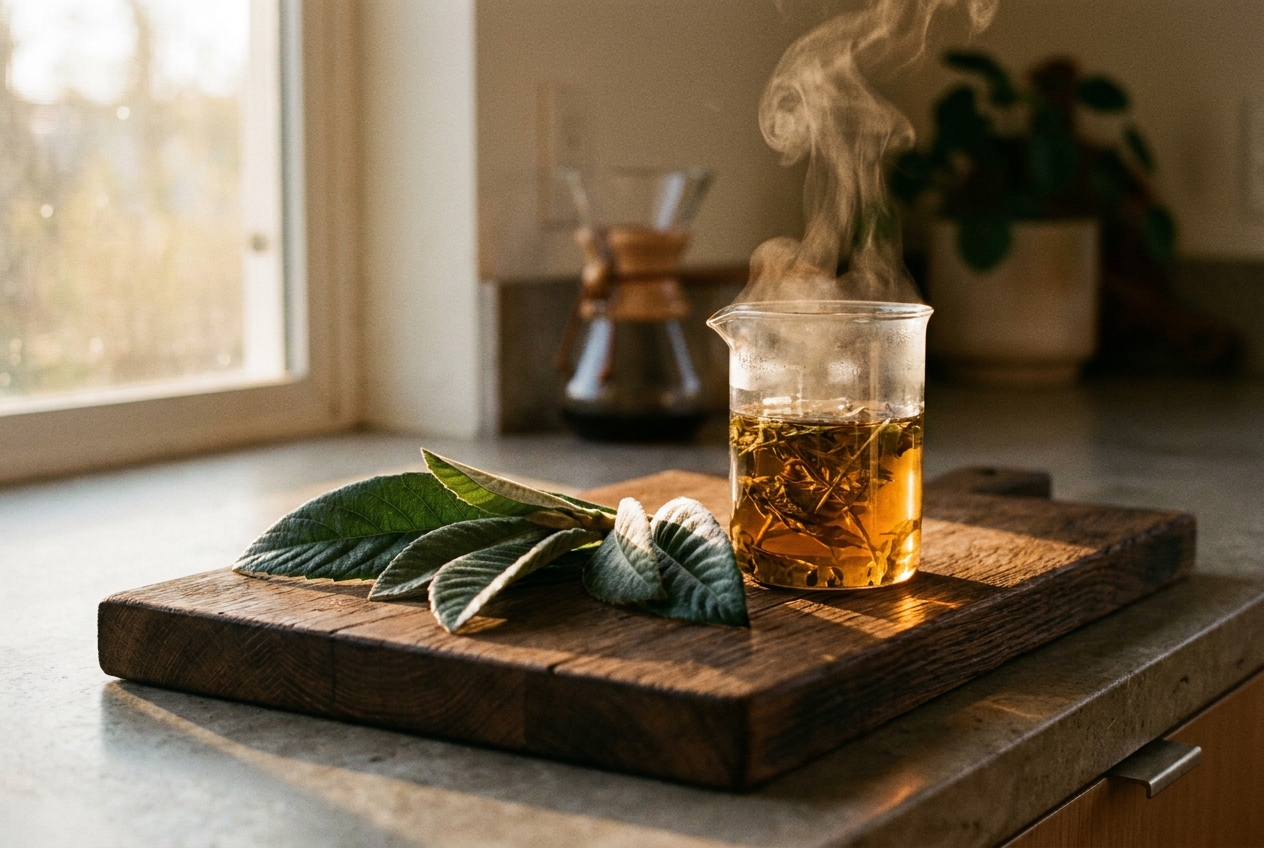
If you have ever found yourself down a late night rabbit hole researching wellness ingredients, you are not alone. With so many discussions around optimizing health, people are constantly searching for ways to manage glucose spikes, find blood sugar support, and maintain stable energy. You might have heard of the usual suspects like berberine, cinnamon, apple cider vinegar, gymnema, chromium, and mulberry leaf. But recently, loquat leaf has entered the arena like a secret unlockable character, leaving many to wonder what actually works.
Quick Answer (TL;DR):
- Botanicals like loquat leaf are gaining popularity for supporting steady glucose alongside lifestyle habits.
- Ingredients do not replace foundational health practices but act as supportive additions.
- Popular components often include a mix of traditional herbs aimed at modulating how the body handles carbohydrates.
- Focus on dietary changes and physical activity first before relying entirely on supplements.
What causes glucose spikes after eating carbs?
A glucose spike occurs when the concentration of sugar in your bloodstream rises rapidly after consuming food, especially carbs. When you eat carbohydrates, your digestive system breaks them down into glucose. This prompts your pancreas to release insulin, a hormone acting as a key to unlock your cells and let the glucose inside for energy.
When this system runs smoothly, your blood sugar rises and falls gently. However, eating highly refined carbohydrates or drinking sugary beverages can flood the bloodstream too quickly. Insulin resistance is a condition where cells stop responding effectively to the hormone insulin, leaving excess sugar in the bloodstream longer than it should.
Understanding this mechanism is a crucial step for anyone concerned about pre-diabetes or looking to improve their overall metabolic health. Stable glucose levels are the foundation for consistent energy throughout the day, rather than experiencing a sugar rush followed by an energy crash.
How does loquat leaf compare to ingredients like berberine or mulberry leaf?
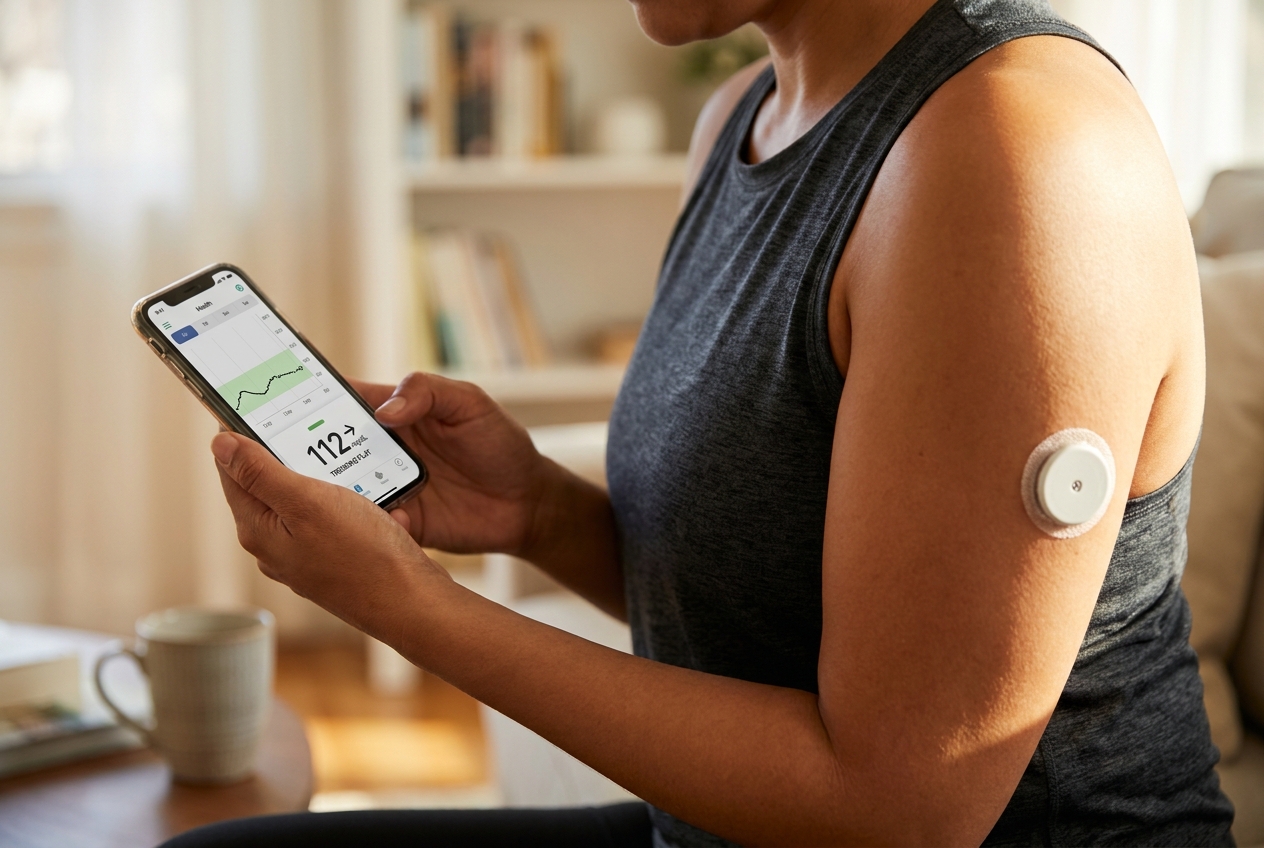
When comparing botanicals, each ingredient offers unique traditional mechanisms rather than a single universal effect. Many people wearing continuous glucose monitors and tracking CGM data report varying results when experimenting with different natural ingredients. Berberine is heavily researched and often praised for its ability to support cellular glucose uptake, while mulberry leaf is known to contain compounds that may slow down the breakdown of complex carbohydrates in the gut.
Níspero, or loquat leaf, is drawing intense curiosity from the bio hacking community. It is traditionally steeped as a tea in various cultures and is rich in beneficial plant compounds like corosolic acid. While some people look for an enchanted forest of ingredients on a label, simple and focused botanicals often hold the most interest.
While rodent studies show promise regarding the ability of loquat leaf to help balance blood sugar, human clinical trials are still expanding. Comparing it directly to heavyweights like berberine or exploring how it works stacked with other ingredients remains a popular topic of exploration for those pursuing long term longevity.
Can botanical blends replace foundational habits for metabolic health?
The short answer is no, because natural ingredients are not magic solutions. While they can be a fascinating part of a wellness journey, they cannot replace the foundational pillars of sleep, stress management, regular movement, and a balanced diet.
Some wellness enthusiasts explore botanicals like loquat leaf (níspero) for general metabolic health. While traditionally used, research is still emerging, and these ingredients should be seen as supportive rather than corrective. Common consumer products that include loquat leaf or similar botanical blends for general blood sugar support include Level Off by Natural Cure Labs, Lemme Curbs, and the Anti-Spike Formula by Glucose Revolution. These are typically marketed as wellness supplements rather than medical treatments, so readers should approach them as optional additions within a broader lifestyle framework.
Think of metabolic health as building a sturdy house. Your daily diet and exercise are the foundation and the walls. Botanicals and supplements are the paint and the trim. They add a nice finish and extra protection, but they cannot hold the roof up on their own.

How should we approach new wellness ingredients?
Are these emerging botanicals useful additions or just overhyped trends? The truth likely lies somewhere in the middle, requiring a balanced and realistic perspective. When approaching any new addition to your routine, it is wise to remain curious but realistic about how it fits into your overall lifestyle and glucose management.
Tracking how your body feels after meals, noticing changes in appetite, or monitoring post meal energy slumps can offer personal insight. By focusing on education and prioritizing whole body wellness, you can make informed decisions about whether to invite new botanical ingredients into your daily routine.
References
- Liu et al., 2016, Int. J. Mol. Sci.: a review of loquat leaf’s bioactive compounds and health properties.
- Xu et al., 2019, Scientific Reports: corosolic acid isolated from loquat leaves lowering glucose in cell, zebrafish and rat models.