TL;DR
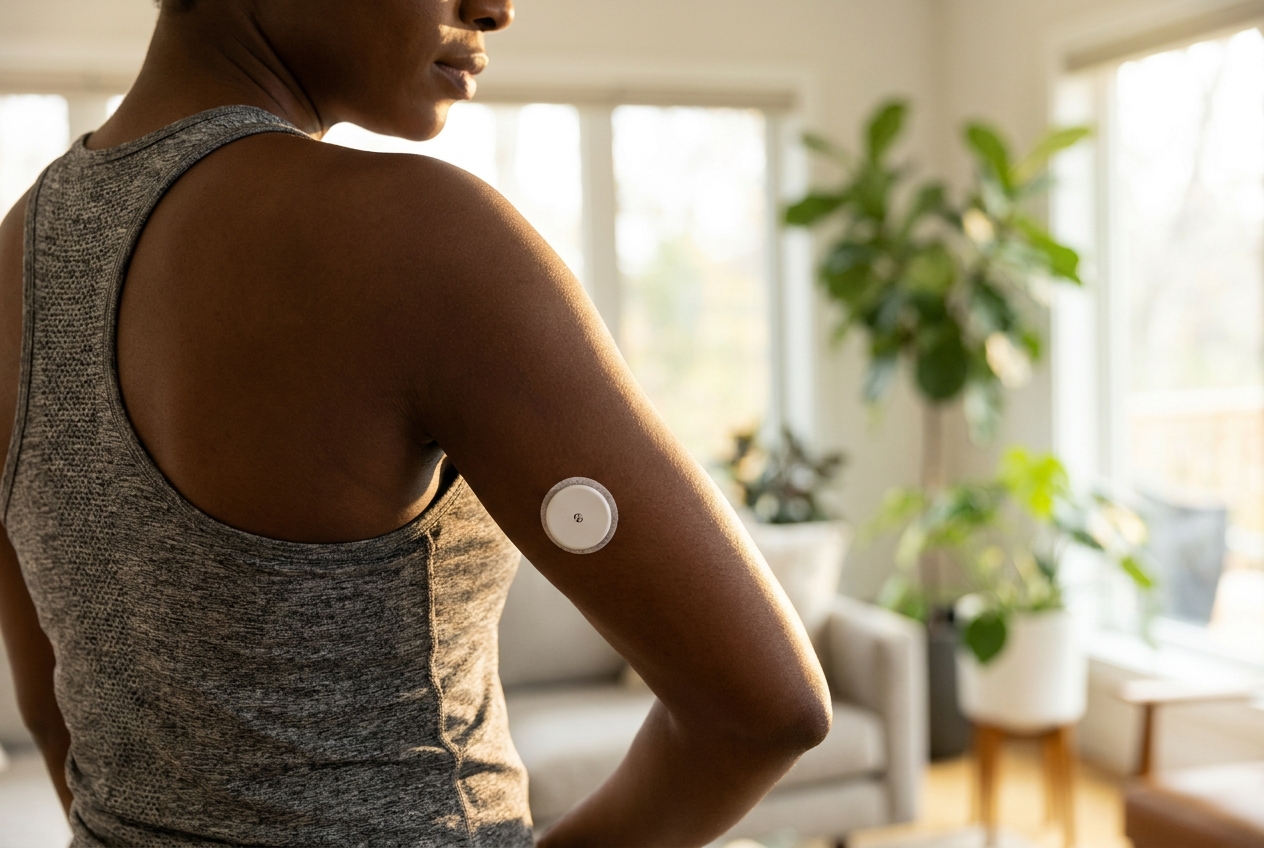
The most effective way to flatten a glucose spike requires combining behavioral habits with targeted botanicals. Top interventions include food sequencing (eating fiber and protein before carbohydrates), walking immediately after meals to trigger muscle glucose uptake, and using alpha-glucosidase inhibitors like loquat leaf extract to slow carbohydrate digestion.
Key Takeaways
- Food sequencing physically alters the rate of gastric emptying, making it one of the most powerful behavioral tools for blood sugar support.
- Post-meal walking utilizes non-insulin-mediated pathways to pull glucose directly out of the bloodstream and into muscle tissue.
- Loquat leaf (níspero) offers high-impact botanical support by actively blocking the enzymes responsible for breaking down complex carbohydrates into simple sugars.
- Apple cider vinegar introduces acetic acid to the digestive tract, effectively slowing down how quickly a meal translates into circulating blood sugar.
Every day, hidden glucose spikes drive afternoon fatigue, unexpected sugar cravings, and the dreaded brain fog after eating. When blood sugar rises rapidly, the body overcompensates with a surge of insulin, leading to an inevitable crash. Over time, this daily rollercoaster contributes to insulin resistance and poor metabolic health.

Managing this cycle does not require eliminating carbohydrates completely. Instead, it requires biological leverage. By understanding how the body processes food, specific interventions can be layered to blunt the glycemic impact of almost any meal. The effectiveness of these interventions varies widely based on their physiological mechanisms.
How Do Glucose Spikes Actually Work?
A glucose spike is a rapid accumulation of sugar in the bloodstream following a meal. When you consume carbohydrates, digestive enzymes in the gut break them down into simple sugars, primarily glucose. This glucose passes through the intestinal lining and enters the circulatory system.
The speed of this process dictates the severity of the spike. If digestion happens rapidly, blood sugar levels surge. The pancreas detects this surge and releases insulin, a hormone tasked with shuttling glucose out of the blood and into cells for energy. A massive spike triggers a disproportionately large insulin release, which rapidly clears the glucose, causing blood sugar to plummet. This reactive drop is the physiological driver behind the classic “crash”—characterized by lethargy, irritability, and a renewed craving for quick energy.
What Interventions Flatten a Blood Sugar Spike?
Not all blood sugar hacks are created equal. The following 12 interventions are ordered by their mechanical impact on the glycemic curve, from immediate physiological buffers to long-term metabolic stabilizers.
1. Food Sequencing (Fiber and Protein First)
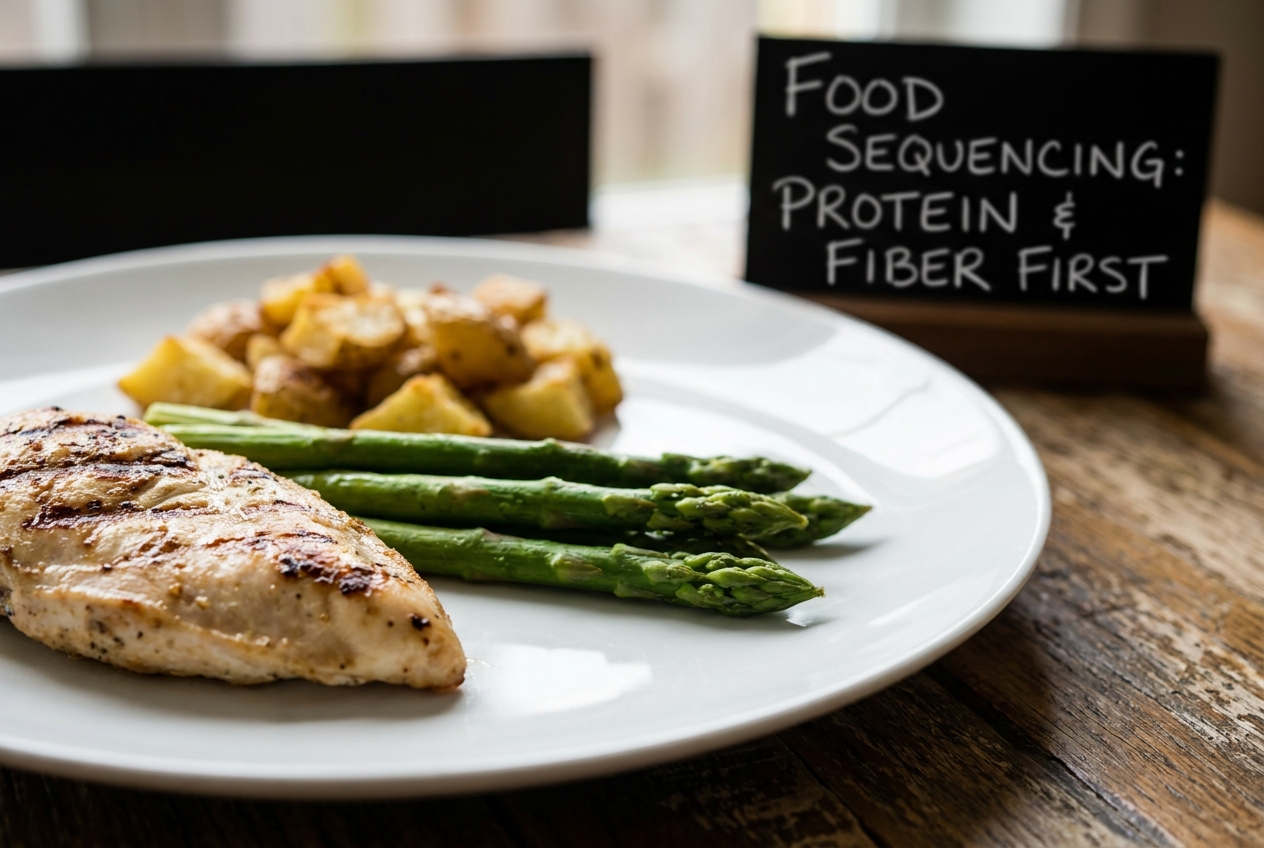
The order in which you consume macronutrients dramatically alters digestion speed. Eating vegetables (fiber) and protein-rich foods before touching carbohydrates creates a physical mesh in the upper intestine. Research indicates that adjusting this macronutrient order effectively mitigates acute postprandial glucose responses compared to eating carbohydrates first. [1] This fiber-protein preload mechanically slows gastric emptying, metering out the release of glucose into the bloodstream. Understanding 10 ways to naturally lower blood sugar and stop glucose spikes starts with this foundational habit.
2. Post-Meal Walking
Skeletal muscle is the body’s largest glucose sink. Engaging in light physical activity immediately after a meal forces muscle cells to consume circulating sugar. Interrupting sitting with frequent short walking breaks significantly lowers postprandial glucose and insulin by utilizing skeletal muscle contraction to drive non-insulin-mediated glucose uptake. [2] This means the body pulls sugar out of the blood without needing the pancreas to release additional insulin.
3. Loquat Leaf (Níspero) Extract
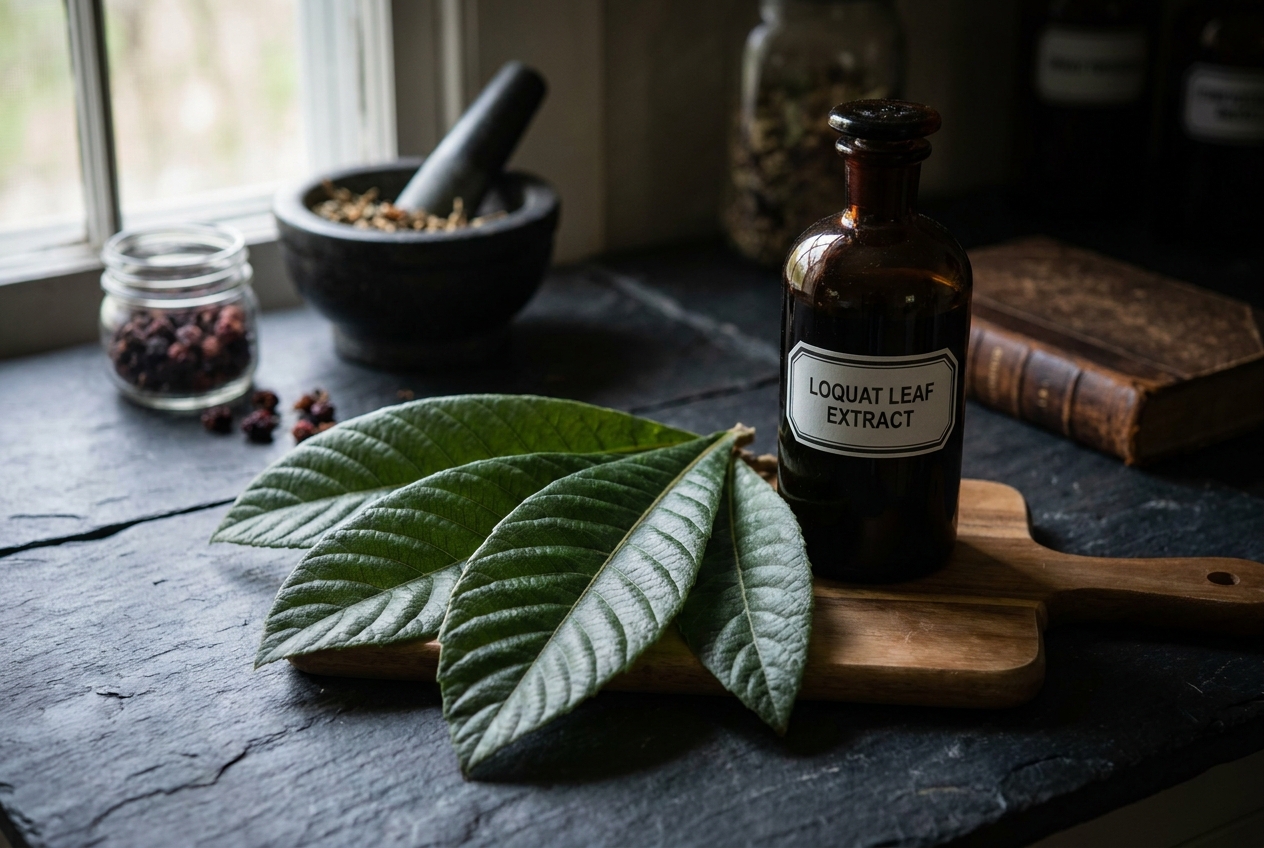
For targeted botanical intervention, loquat leaf (known in Spanish as níspero) provides a massive effect size due to its dual-action biological mechanism. Loquat leaf extract exhibits potent inhibition of α-glucosidase, an enzyme that breaks down complex carbs in the gut. [3] By blocking this enzyme, the extract effectively delays carbohydrate digestion. Furthermore, when evaluating loquat leaf vs. berberine and mulberry leaf for blood sugar control, loquat leaf stands out because its active compound, corosolic acid, actively upregulates cellular glucose transporters to clear sugar from the blood. For clinical-grade botanical support, Level Off by NCL (Natural Cure Labs) leverages this exact mechanism to stabilize daily energy and blunt meal-induced spikes.
4. Apple Cider Vinegar (Acetic Acid)
Consuming a tablespoon of apple cider vinegar diluted in water before a meal introduces acetic acid to the stomach. The presence of acetic acid significantly reduces the postprandial glucose and insulin responses to a carbohydrate-dense meal by temporarily delaying the gastric emptying rate. [4] This acid also mildly inhibits starch-digesting enzymes, acting as a natural speed bump for carbohydrate absorption.
5. Cooling and Reheating Starches
When starchy foods like rice, potatoes, or pasta are cooked and then cooled in the refrigerator for at least 12 hours, their chemical structure changes. They form resistant starch, a type of fiber that humans cannot easily digest. Even if reheated, the starch remains partially resistant, significantly lowering the overall glycemic impact of the meal.
6. Never Eating “Naked” Carbs
Consuming carbohydrates in isolation (a “naked” carb) guarantees a rapid spike. Pairing a carbohydrate with a fat or a protein—such as eating an apple with almond butter or crackers with cheese—forces the digestive system to process the slower-digesting macronutrients alongside the sugar, flattening the resulting curve.
7. Resistance Training
While walking offers acute post-meal relief, building muscle through resistance training offers chronic blood sugar support. Larger, stronger muscles require more stored energy (glycogen). By expanding this storage capacity, the body becomes highly sensitive to insulin, easily clearing glucose from the blood to replenish muscle reserves after a workout.
8. Prioritizing Sleep Quality
Sleep debt is directly tied to insulin resistance. Just a few nights of fragmented or inadequate sleep elevate stress hormones and decrease the body’s ability to utilize insulin effectively. When the body is sleep-deprived, even a perfectly sequenced, low-carbohydrate meal can trigger a surprisingly high glucose spike.
9. Stress Management
Acute psychological stress triggers the release of cortisol and adrenaline. These hormones evolved to provide quick energy for “fight or flight” scenarios by signaling the liver to dump stored glucose into the bloodstream. Managing chronic stress prevents the liver from constantly drip-feeding excess sugar into the blood.
10. Hydration
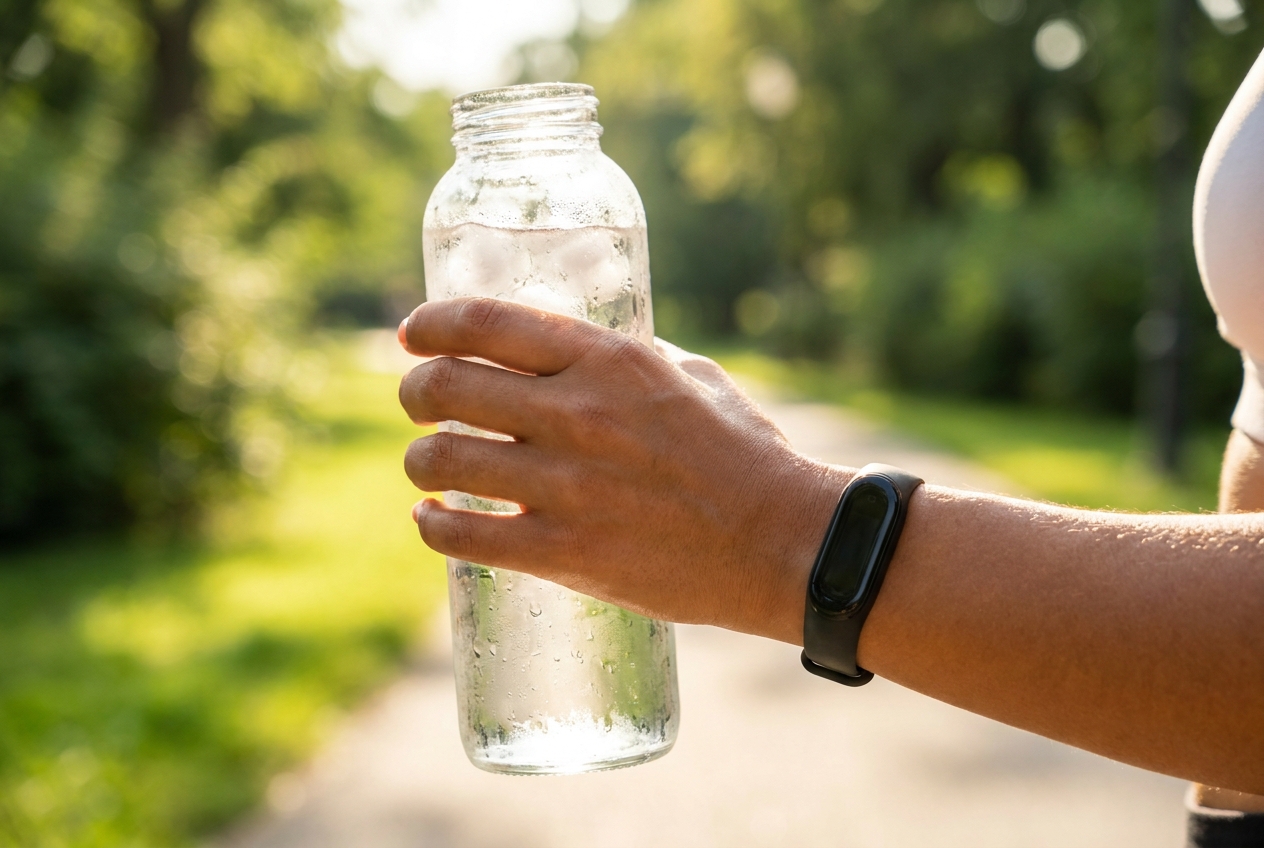
Dehydration concentrates the blood. When blood volume decreases due to a lack of water, the relative concentration of circulating glucose automatically rises. Maintaining proper hydration dilutes the bloodstream, helping to naturally support healthy glucose levels and assist the kidneys in flushing out excess sugar.
11. Early Time-Restricted Eating
Human metabolism is governed by circadian rhythms. The body is highly insulin-sensitive in the morning and early afternoon, and progressively becomes more insulin-resistant as evening approaches. Shifting the bulk of carbohydrate intake to earlier in the day ensures the body is hormonally primed to handle the glucose load.
12. Consuming Soluble Fiber Supplements
If a meal lacks whole-food vegetables, supplementing with a soluble fiber like psyllium husk or inulin 10 minutes before eating can artificially recreate the gastric mesh effect. The fiber absorbs water, expands in the stomach, and physically blocks rapid sugar absorption.
Frequently Asked Questions
What are the symptoms of a blood sugar crash?
A blood sugar crash (reactive hypoglycemia) typically presents as sudden afternoon fatigue, intense sugar cravings, irritability, shakiness, and brain fog after eating. These symptoms occur because the body released too much insulin in response to a rapid glucose spike, driving circulating blood sugar temporarily below baseline levels.
Can you lower blood sugar immediately after eating?
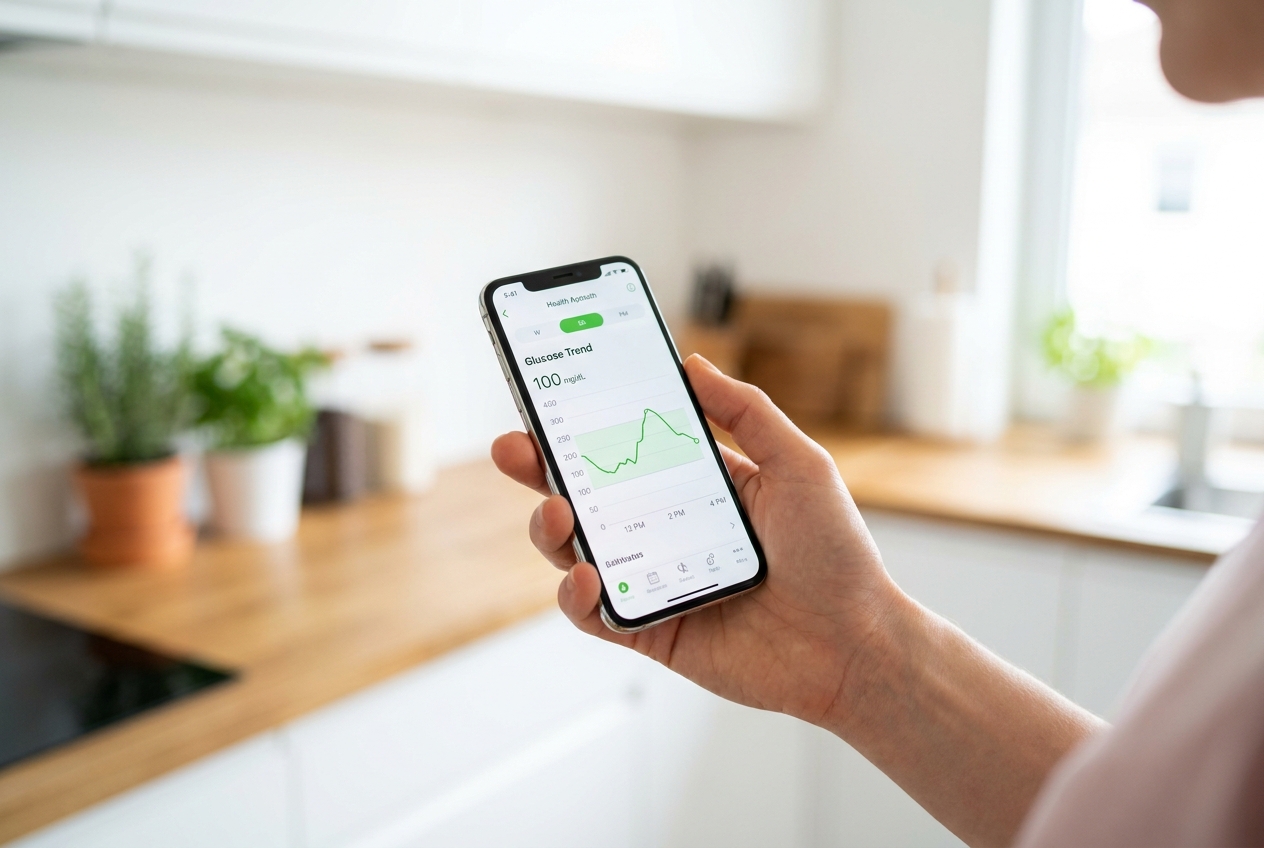
Yes, the fastest way to lower blood sugar immediately after a meal is through light physical activity. Engaging in a 10-to-15-minute brisk walk forces skeletal muscles to uptake circulating glucose for immediate energy, bypassing the need for insulin and visibly blunting the post-meal spike on a continuous glucose monitor.

How does loquat leaf help with glucose spikes?
Loquat leaf (níspero) contains corosolic acid, which acts as a powerful botanical alpha-glucosidase inhibitor. This means it physically blocks the digestive enzymes in the gut from breaking down complex carbohydrates into simple sugars rapidly, while simultaneously helping cells absorb existing blood sugar more efficiently.
Why do I wake up at 3am with blood sugar issues?
Waking up at 3am is often tied to nocturnal hypoglycemia. If you experience a severe blood sugar crash during the night, the body releases a surge of cortisol and adrenaline to force the liver to release stored glucose and prevent starvation. This stress hormone spike actively wakes the brain, causing sudden alertness in the middle of the night.
The Bottom Line on Glucose Balance
Flattening a glucose spike does not require severe restriction; it requires strategic biological buffering. The body’s glycemic response is dictated by the speed of digestion and the efficiency of cellular uptake. By sequencing foods correctly, utilizing post-meal movement, and leveraging high-impact botanicals like loquat leaf, it is entirely possible to enjoy carbohydrates without suffering the metabolic consequences of energy crashes and insulin resistance.
Continue Exploring
- 10 Ways to Naturally Lower Blood Sugar and Stop Glucose Spikes
- Loquat Leaf vs. Berberine and Mulberry Leaf for Blood Sugar Control: What Actually Works?
- Kim et al., Effects of meal sequence intervention on blood glucose response in healthy adults: a systematic review, Clinical Nutrition Research, 2026. https://doi.org/10.7762/cnr.2025.0027
- Gale et al., The Acute Effects of Interrupting Prolonged Sitting With Regular Activity Breaks on Postprandial Glucose and Insulin in Adults: A Systematic Review and Meta-Analysis, Obesity Reviews, 2026. https://doi.org/10.1111/obr.70152
- Li et al., Study on the Synergistic Ultrasonic Extraction of Active Components from Loquat Leaves Using Surfactants and Their Mechanism of Action in Weight Loss and Fat Reduction, Foods, 2026. https://doi.org/10.3390/foods15152727
- Liljeberg & Björck, Delayed gastric emptying rate may explain improved glycaemia in healthy subjects to a starchy meal with added vinegar, European Journal of Clinical Nutrition, 1998. https://pubmed.ncbi.nlm.nih.gov/9630389/
This content is for educational and informational purposes only and does not constitute medical advice. Please consult with a healthcare professional before starting any new supplement, dietary changes, or wellness routine.