
TL;DR
High fasting glucose despite perfect habits in prediabetes and gestational diabetes is usually driven by the Dawn Phenomenon. While you sleep, your liver naturally releases stored glucose to help you wake up. When insulin resistance is present, your body struggles to clear this glucose, leading to frustrating morning spikes.
Key Takeaways
- Stubborn morning blood sugar spikes are often driven by an internal liver process called the Dawn Phenomenon, not by your previous day’s diet.
- Scientific evidence using continuous glucose monitors shows that the “Somogyi effect” (morning highs caused by nighttime lows) is largely a medical myth.
- Poor sleep directly elevates cortisol, increasing morning insulin resistance regardless of how strictly you follow a blood sugar diet.
- Botanical support like Loquat Leaf may help your body maintain balanced fasting glucose levels overnight.
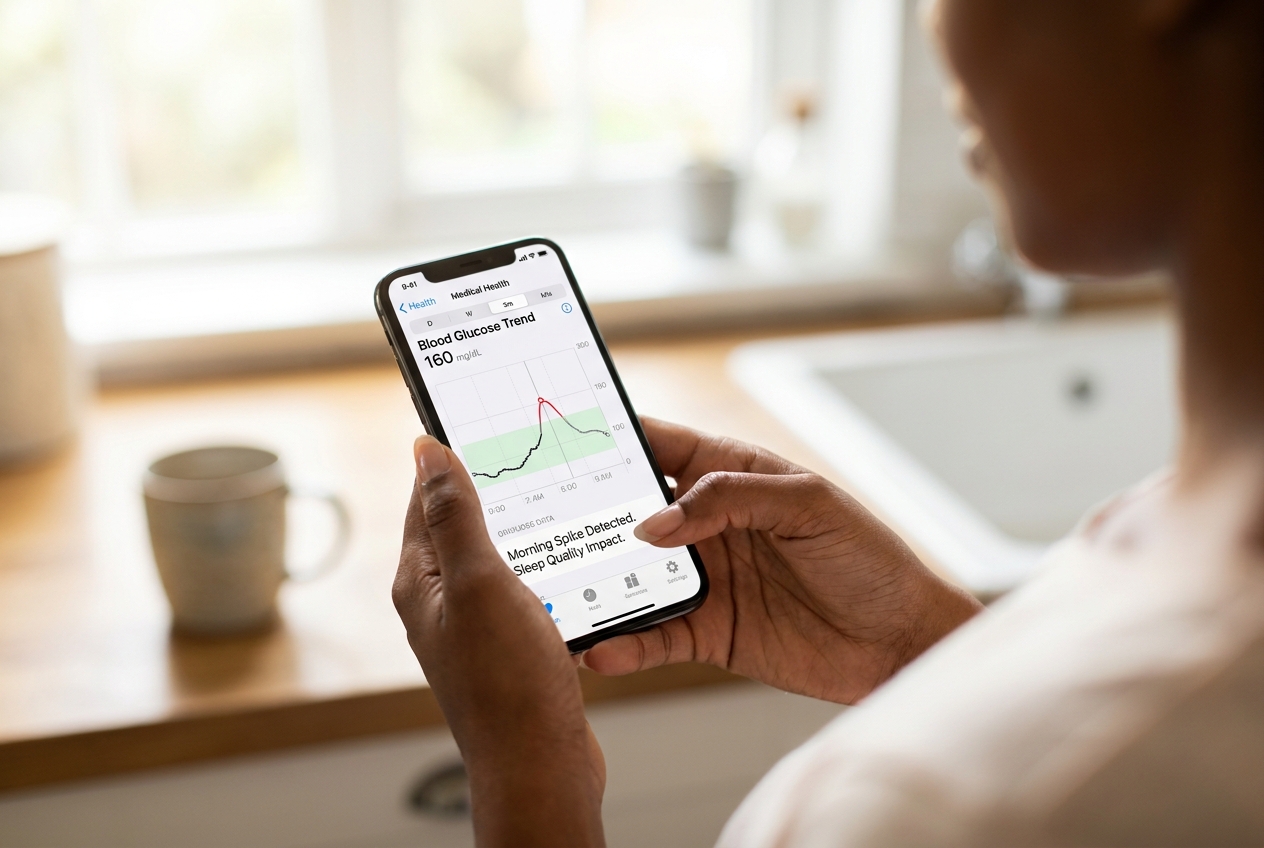
You ate a low-carb dinner. You went for a walk afterward. You avoided late-night snacks. Yet, you wake up, test your blood sugar, and stare in frustration at a stubbornly high number. If you are managing prediabetes or gestational diabetes, high fasting glucose can feel incredibly defeating. It is easy to feel like you are doing something wrong, or that your efforts aren’t working.
The truth is, morning blood sugar levels are often the hardest to control because they are driven by internal physiological systems rather than the food on your plate. Your body isn’t failing you; it is simply trying to fuel you for the day, but a few metabolic wires are getting crossed.

How Does the Dawn Phenomenon Work?
To understand morning glucose spikes, we have to look at the liver. During the night, your body is fasting, meaning no new energy is coming in from food. To ensure you have enough energy to wake up and start your day, your body releases a surge of hormones—including cortisol, glucagon, and adrenaline—in the early morning hours.
These hormones signal your liver to start producing and releasing glucose into your bloodstream. This biological mechanism is called hepatic gluconeogenesis. For most people, the pancreas simply releases a little extra insulin to keep this newly minted glucose balanced. However, if you have insulin resistance or gestational diabetes, your cells don’t respond to that insulin efficiently.
Research indicates that in conditions like gestational and pre-diabetes, diurnal signaling can trigger an abnormal over-activation of hepatic gluconeogenesis, causing the liver to inappropriately dump excess glucose into the bloodstream by morning (a study published in Molecular Metabolism in 2025). This perfectly explains why your morning numbers remain high even if you maintained perfect dietary control the day prior.
What Factors Affect Morning Fasting Glucose?
Several variables influence how intensely your body responds to the morning wake-up call.
- Sleep Quality and Cortisol: Sleep disruptions directly alter your stress response. A 2018 study in the Journal of Clinical Sleep Medicine found that sleep disruptions—which are highly prevalent in gestational diabetes—cause significant dysregulation of the hypothalamic-pituitary-adrenal (HPA) axis. This abnormal cortisol profile heightens systemic insulin resistance independent of dietary factors. Understanding your metabolic data can reveal these hidden stress patterns, highlighting how persistently elevated systemic cortisol signals the liver to pump endogenous glucose into your bloodstream, raising fasting glucose.
- Late Meals and Nocturnal Volatility: Eating too close to bedtime can lead to late-night glucose spikes, followed by crashes. When you experience a severe glucose crash during sleep, your body triggers the release of cortisol and adrenaline to aggressively raise blood sugar, disrupting deep sleep and often resulting in morning exhaustion and elevated fasting numbers.
Frequently Asked Questions
Is high morning blood sugar my fault?
No. High fasting glucose is primarily an issue of the liver and hormones acting on autopilot while you sleep. While diet and exercise support overall metabolic health, morning numbers are heavily influenced by your liver’s natural instinct to release energy for the day ahead.
What is the Somogyi effect?
The Somogyi effect was a long-held clinical theory suggesting that morning blood sugar spikes were a rebound reaction to your blood sugar dropping dangerously low during the night. However, a 2022 review in the Journal of Diabetes Research analyzing extensive continuous glucose monitoring (CGM) data demonstrates that morning fasting hyperglycemia is virtually never preceded by nocturnal hypoglycemia, concluding that the Somogyi effect is largely a medical myth.
Can poor sleep cause a morning glucose spike?
Yes. Fragmented or insufficient sleep directly alters your body’s stress hormones. Poor sleep raises cortisol levels, which temporarily reduces insulin sensitivity the next morning. Even if you eat perfectly, a bad night of sleep can make your cells more resistant to insulin, leaving more glucose circulating in your blood when you wake up.
What natural supplements support morning blood sugar?
Botanical ingredients can offer gentle support for glucose balance. Loquat Leaf (also known as níspero) is a traditional botanical that has been used to support healthy metabolic function. Incorporating a targeted botanical supplement like Level Off into your routine can provide natural blood sugar support alongside your foundational diet and exercise habits.

The Bottom Line
Waking up to high fasting glucose when you feel like you did everything right is undeniably frustrating. But remember, your numbers are just data points, not a report card on your effort. Your liver is simply performing its evolutionary duty to wake you up, but the presence of insulin resistance or the stress of poor sleep amplifies the result. By recognizing the role of the Dawn Phenomenon, prioritizing restful sleep, and utilizing gentle botanical supports, you can take a more compassionate and effective approach to managing your metabolic health.
Continue Exploring
- Are My CGM Readings Normal? How to Interpret Post-Meal Glucose Spikes
- 10 Ways to Naturally Lower Blood Sugar and Stop Glucose Spikes
References
- Tan et al., 2025, Gut microbiota-derived extracellular vesicles exhibit diurnal regulation and activate hepatic gluconeogenesis. Molecular Metabolism
- Huang et al., 2022, Confirmation of the Absence of Somogyi Effect in Patients with Type 2 Diabetes by Retrospective Continuous Glucose Monitoring Systems. International Journal of Endocrinology
- Bublitz et al., 2018, Obstructive Sleep Apnea in Gestational Diabetes: A Pilot Study of the Role of the Hypothalamic-Pituitary-Adrenal Axis. Journal of Clinical Sleep Medicine
This content is for educational and informational purposes only and does not constitute medical advice. Please consult with a healthcare professional before starting any new supplement, dietary changes, or wellness routine.