
TL;DR
Peptides affect blood sugar because many of the body’s glucose controllers, including insulin, glucagon and GLP-1, are peptides. GLP-1 medications slow gastric emptying and raise insulin when glucose is high. Food peptides from whey and collagen show small preload effects in early trials, while unapproved injectable peptides carry quality and safety risks.
Key Takeaways
- Peptides affect blood sugar directly, because insulin, glucagon and GLP-1 are all peptide hormones that set how fast glucose enters and leaves the bloodstream.
- GLP-1 receptor agonist medications such as semaglutide are peptides built to mimic the gut hormone GLP-1, and they lower post-meal glucose largely by slowing gastric emptying.
- Small human trials show that a whey or collagen peptide drink taken before a meal can reduce the post-meal glucose rise, though the trials are short and several were industry-linked.
- Food-derived peptides that block the enzyme DPP-4 look promising in the lab, but the clinical evidence for them in people remains thin.
- Compounded and “research-use” peptides sold online are not held to the quality standards of approved drugs, and an FDA reporting analysis found more dosing, contamination and manufacturing problems with them.
Search “peptides” today and you land in a strange mix: prescription weight-loss injections, collagen powders, gym-forum vials and skincare serums, all under one word. For anyone watching a CGM line or a fasting number, the real question is simpler. Do peptides move blood sugar, and if so, how?
The short version is that the word covers very different things. Some peptides are your own hormones. Some are prescription drugs designed to copy those hormones. Some are fragments of food protein. And some are unapproved products with no label you can trust. Each one touches glucose through a different door, and the evidence behind each is not equal.
What Are Peptides, and Which Ones Control Blood Sugar?
A peptide is a short chain of amino acids, usually between 2 and 50 linked together. Anything longer is generally called a protein. That small size is why peptides make good signals: the body can build them fast, release them in bursts and break them down quickly.
Three peptide hormones do most of the daily work on glucose:
- Insulin is released by the pancreas after a meal and moves glucose out of the blood and into muscle, liver and fat cells.
- Glucagon is released between meals and tells the liver to release stored glucose, so levels do not drop too low.
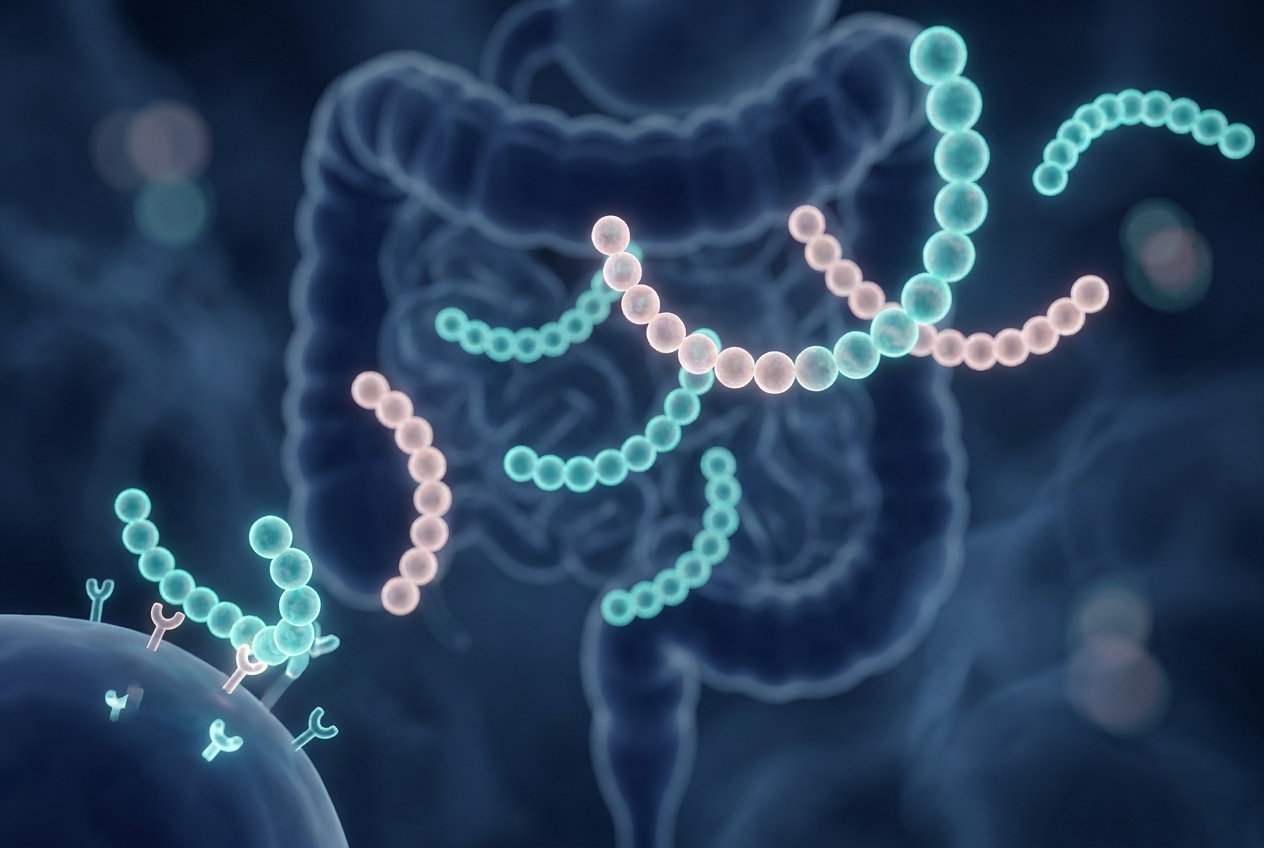
- GLP-1 (glucagon-like peptide-1) is released by gut cells called L-cells after eating. It raises insulin only when glucose is elevated, slows how fast the stomach empties and signals fullness to the brain.
So when someone asks whether peptides affect blood sugar, the established answer is yes, constantly. Your glucose curve after breakfast is a peptide event. The more useful question is what happens when you add outside peptides to that system.
How Does GLP-1 Change Blood Sugar After a Meal?
Native GLP-1 is fragile. An enzyme called DPP-4 (dipeptidyl peptidase-4) breaks it down within minutes, so the natural signal is brief. A 2026 review in Critical Reviews in Food Science and Nutrition describes how GLP-1 delays gastric emptying through both the bloodstream and local activation of vagal nerve endings in the gut, which slows how quickly starch becomes glucose in the blood.
GLP-1 receptor agonists such as semaglutide are engineered peptides that resist that breakdown and keep the receptor switched on for days. The glucose effect is measurable. A 2026 meta-analysis of placebo-controlled semaglutide trials in fatty liver disease reported an HbA1c improvement of 1.29 percentage points, along with more gastrointestinal side effects and more people stopping the medication than placebo. A network meta-analysis of nine trials in people with obesity and mental illness found semaglutide was linked to lower fasting plasma glucose and HbA1c, and to more nausea, vomiting and constipation.
The slower stomach emptying matters for everyday readers. When food leaves the stomach more gradually, glucose arrives in the blood more gradually, and the sharp post-meal spike flattens. Our guide to how GLP-1 medications affect blood sugar spikes walks through that effect and what is and is not known about adding botanicals on top.

Can Food Peptides Like Whey and Collagen Change a Glucose Curve?
Some peptides come from protein digestion rather than a pharmacy. Whey and collagen are the two with the most human data, and both are studied as preloads: a small protein drink taken about 15 to 30 minutes before a meal.
Research suggests the mechanism overlaps with GLP-1. In a crossover study of 26 adults with type 2 diabetes, a 10 g whey protein microgel drink before lunch reduced the post-meal glucose rise by 22% and increased total GLP-1 response by 66% compared with water. A smaller study of 10 adults with type 2 diabetes found that 30 g of whey before breakfast reduced glucose excursions after both breakfast and lunch.
Collagen peptides have an early signal too. In a randomized crossover trial of 30 people with normal glucose or prediabetes, a 10 g collagen peptide preload raised GLP-1 and insulin before the meal, then reduced the post-meal glucose rise without increasing total insulin exposure. It also lengthened gastric residence time in the prediabetes group.
These results come with real limits. The samples are small, each test covered one or two meals, and the whey and collagen studies involved authors linked to the companies that make those ingredients. Read them as early, plausible findings and not proof of long-term control. Our breakdown of what really flattens a glucose spike shows where a protein preload sits next to food order and post-meal walks.
A third group, food-derived DPP-4 inhibitory peptides, is mostly lab-stage. A 2026 review describes peptides from food proteins that block DPP-4, which would keep natural GLP-1 active longer, but lists poor oral bioavailability and insufficient clinical evidence as the main hurdles. Walnut-derived peptides, for example, improved glucose tolerance in mice; that is a long way from a result in people.
What Factors Affect How Peptides Change Blood Sugar?
Peptide effects are not uniform. Several variables decide how much a given peptide moves a glucose reading.
- Source and identity. An approved GLP-1 medication, a whey drink and an unlabeled vial share the word “peptide” and little else. Dose, purity and receptor activity differ enormously.
- Timing. In every preload trial above, the protein came before the meal. The same dose eaten with or after the meal may behave differently.
- Starting metabolic state. The collagen effect on gastric transit appeared in the prediabetes subgroup, and the whey trials enrolled people with type 2 diabetes. Results in people with healthy glucose may look smaller.
- Meal composition. Starch structure shapes how much GLP-1 your own gut releases, so a fiber-rich or slowly digestible meal changes the baseline the peptide acts on.
- Other glucose-lowering tools. Anyone using insulin or a sulfonylurea alongside a GLP-1 medication has a different hypoglycemia risk, which is a conversation for a prescriber.
- Product quality. This one deserves its own paragraph.
Why Does Product Quality Matter for Injectable Peptides?
An FDA adverse event analysis, published in Expert Opinion on Drug Safety, compared compounded and non-compounded GLP-1 products. Of 81,078 reports, 707 involved compounded products, and those had higher odds of preparation errors, contamination and manufacturing problems, plus higher odds of hospitalization. Spontaneous reports cannot show how common these problems are, but the pattern is consistent with what the agency describes.
The FDA’s own page on unapproved GLP-1 drugs used for weight loss lists dosing errors from self-measured vials, products that arrive warm, fraudulent labels and salt forms that differ from the approved active ingredient. It also notes warnings sent to sellers marketing semaglutide-type products as “for research purposes” while giving dosing instructions for human use. For blood sugar, the practical risk is not only an ineffective product but an unpredictable dose of something that acts on insulin signaling.
What Else Fits Alongside Peptides in a Blood Sugar Routine?
Peptides are one lever among several. Food order, protein at the start of meals and a short walk afterward all work on the same post-meal window without a prescription. Some people also add a botanical such as loquat leaf (níspero), the ingredient behind Level Off, as part of a broader wellness routine. Loquat leaf works through separate pathways from GLP-1, and no peptide is involved. Whether any botanical adds benefit alongside a GLP-1 medication has not been established, so that combination belongs in a conversation with a healthcare provider.
Frequently Asked Questions
Do peptides raise or lower blood sugar?
It depends on the peptide. Insulin lowers blood sugar, glucagon raises it, and GLP-1 raises insulin only when glucose is high. Medications and supplements built from peptides act on those same pathways, so the direction depends on which pathway they target.
Is semaglutide a peptide?
Yes. Semaglutide is a modified version of the gut hormone GLP-1, built to resist breakdown by DPP-4 so it stays active for about a week. It activates the GLP-1 receptor, which slows gastric emptying and raises insulin when glucose is elevated.
Do collagen peptides affect blood sugar?
An early randomized crossover trial found that 10 g of collagen peptides taken 30 minutes before a carbohydrate-rich meal reduced the post-meal glucose rise in people with normal glucose and prediabetes. The trial had 30 participants and covered a single meal, so longer studies are needed.
Can whey protein act like a GLP-1 drug?
Whey protein raises the body’s own GLP-1 and insulin response when taken before a meal, and trials in type 2 diabetes show lower post-meal glucose. The effect is modest and short-lived compared with GLP-1 medications, which keep the receptor active continuously.
Are research peptides sold online safe for blood sugar?
The FDA has warned that unapproved GLP-1-type products are not reviewed for safety, quality or effectiveness, and has flagged dosing errors, contamination and false labeling. Products labeled “for research purposes” are not intended for human use and carry unknown purity and dose.
Should I take a peptide supplement for blood sugar?
That decision belongs with a healthcare professional who knows your glucose history and medications. Food-based options such as protein before carbohydrates are lower-risk starting points than injectables, and the preload trials used amounts between 10 g and 30 g.
So, Where Do Peptides Fit in the Blood Sugar Picture?
Peptides run the glucose system from the inside: insulin, glucagon and GLP-1 decide how a meal turns into a curve. Prescription GLP-1 drugs borrow that system with strong, well-documented effects and real side effects, while whey and collagen preloads nudge it gently, with early but promising human data.
The line that matters most is between products with a known dose, known purity and published human trials, and products with none of those. A peptide that acts on insulin signaling deserves the same scrutiny as any glucose-active medication, and a CGM trace, a fasting number and a prescriber’s input tell you far more than a vial label does.
Continue Exploring
- How Do GLP-1 Medications Affect Blood Sugar Spikes, and Do Botanicals Still Help?
- What Really Flattens a Glucose Spike? 12 Interventions Ranked
- Unlocking Metabolic Potential: Can Lemon Polyphenols Support GLP-1?
References
- Cui S, Kong H, Tian Y, et al. The relationship between starch digestion and glucagon-like peptide-1 secretion: implications for functional food design to improve glycemic control. Critical Reviews in Food Science and Nutrition, 2026. doi:10.1080/10408398.2026.2691225
- Khan S, Jamal A, Qadri M, et al. Therapeutic role of semaglutide in MASLD and MASH: a systematic review and meta-analysis of placebo-controlled trials. Medicine, 2026. doi:10.1097/MD.0000000000049916
- Kishi T, Ikuta T, Sakuma K, et al. Glucagon-like peptide-1 receptor agonists for weight management in mental illness: a network meta-analysis. Translational Psychiatry, 2026. doi:10.1038/s41398-026-04253-6
- Neeland IJ, de Gregório LH, Zagury R, et al. Effects of pre-meal whey protein microgel on post-prandial glucometabolic and amino acid response in people with type 2 diabetes and overweight or obesity. Metabolites, 2025. doi:10.3390/metabo15010061
- Barasara SR, Chauhan YV, Gada JV, et al. Effect of pre-breakfast whey protein supplement on post-breakfast glycaemic excursion and insulinotropic response in type 2 diabetes mellitus. Indian Journal of Endocrinology and Metabolism, 2026. doi:10.4103/ijem.ijem_994_25
- Virgilio N, Schön C, Steiner N, et al. Specific collagen peptides support postprandial metabolic health by modulating incretin hormones, gastric transit, and glycemic control in participants with normoglycemia and prediabetes. Current Developments in Nutrition, 2026. doi:10.1016/j.cdnut.2026.109512
- Yang Y, Niu Z, Luo X, et al. Food-derived antidiabetic peptides as multi-target systemic regulators: a comprehensive review. Foods, 2026. doi:10.3390/foods15122086
- Mu X, Li D, Xiao R, et al. Discovery of novel dipeptidyl peptidase-IV inhibitory peptides derived from walnut protein and their bioactivities. Current Research in Food Science, 2024. doi:10.1016/j.crfs.2024.100893
- McCall KL, Mastro Dwyer KA, Casey RT, et al. Safety analysis of compounded GLP-1 receptor agonists: a pharmacovigilance study using the FDA Adverse Event Reporting System. Expert Opinion on Drug Safety, 2025. doi:10.1080/14740338.2025.2499670
- U.S. Food and Drug Administration. FDA’s Concerns with Unapproved GLP-1 Drugs Used for Weight Loss. fda.gov
This content is for educational and informational purposes only and does not constitute medical advice. Please consult with a healthcare professional before starting any new supplement, dietary changes, or wellness routine.